Archives
- 2026-01
- 2025-12
- 2025-11
- 2025-10
- 2025-09
- 2025-04
- 2025-03
- 2025-02
- 2025-01
- 2024-12
- 2024-11
- 2024-10
- 2024-09
- 2024-08
- 2024-07
- 2024-06
- 2024-05
- 2024-04
- 2024-03
- 2024-02
- 2024-01
- 2023-12
- 2023-11
- 2023-10
- 2023-09
- 2023-08
- 2023-07
- 2023-06
- 2023-05
- 2023-04
- 2023-03
- 2023-02
- 2023-01
- 2022-12
- 2022-11
- 2022-10
- 2022-09
- 2022-08
- 2022-07
- 2022-06
- 2022-05
- 2022-04
- 2022-03
- 2022-02
- 2022-01
- 2021-12
- 2021-11
- 2021-10
- 2021-09
- 2021-08
- 2021-07
- 2021-06
- 2021-05
- 2021-04
- 2021-03
- 2021-02
- 2021-01
- 2020-12
- 2020-11
- 2020-10
- 2020-09
- 2020-08
- 2020-07
- 2020-06
- 2020-05
- 2020-04
- 2020-03
- 2020-02
- 2020-01
- 2019-12
- 2019-11
- 2019-10
- 2019-09
- 2019-08
- 2019-07
- 2019-06
- 2019-05
- 2019-04
- 2018-11
- 2018-10
- 2018-07
-
GSK2126458 The reduced IFN production seen with BPAL primed
2022-11-30
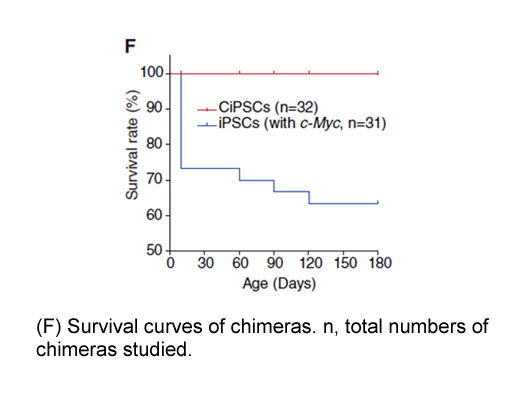
The reduced IFNγ production seen with BPAL10-primed splenocytes could potentially be attributed to the impaired intracellular survival of B. pertussis, thereby leading to a weakened induction of cell-mediated immunity. Earlier studies have suggested an antimicrobial role of IFNγ in mediating the eli
-
br Functional consequences of ADK regulation on neuronal
2022-11-30
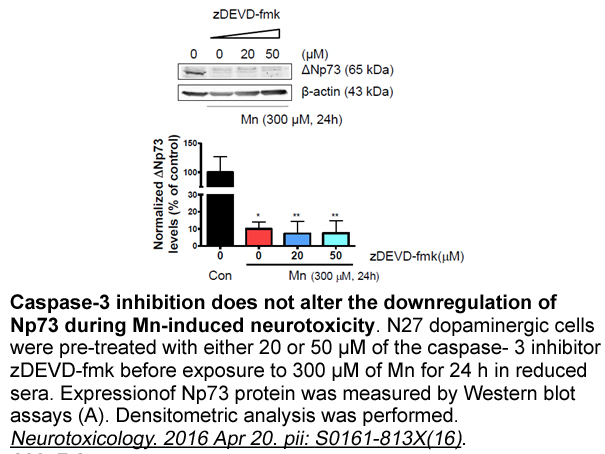
Functional consequences of ADK regulation on neuronal excitability Adenosine modulates neuronal excitability via activation of the high affinity A1 or A2A, low-affinity A2B, or low abundance A3 adenosine receptors that feed into a multitude of different neuronal and astrocytic pathways (Blum et a
-
Altogether the situations described above clearly impede the
2022-11-30
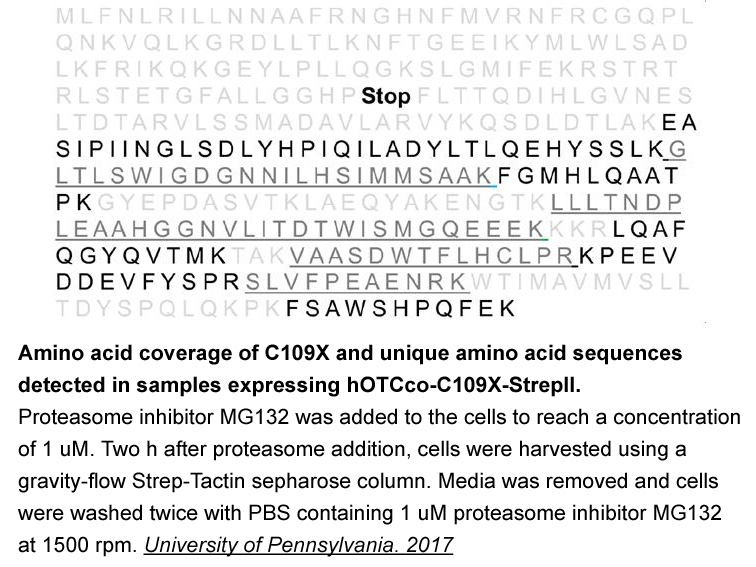
Altogether, the situations described above clearly impede the critical steps of drug discovery and development and the scientific process in general [14]. In conclusion, it is the opinion of these authors that many exciting lines of drug discovery (which includes those devoted to nAChR ligands) have
-
br Prostate cancer and resistance to AR targeting
2022-11-24
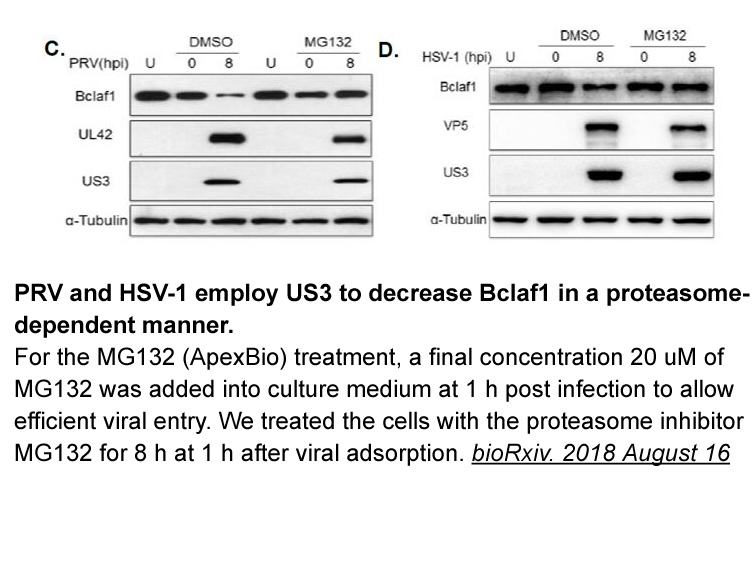
Prostate cancer and resistance to AR targeting treatment The AR plays a pivotal role in the development, differentiation, homeostasis and secretory function of the normal prostate (Wilson, 2011). The AR is also a key player in many phases of prostate carcinogenesis (Huggins et al., 1941, Scher a
-
br Materials and Methods br Results br
2022-11-18
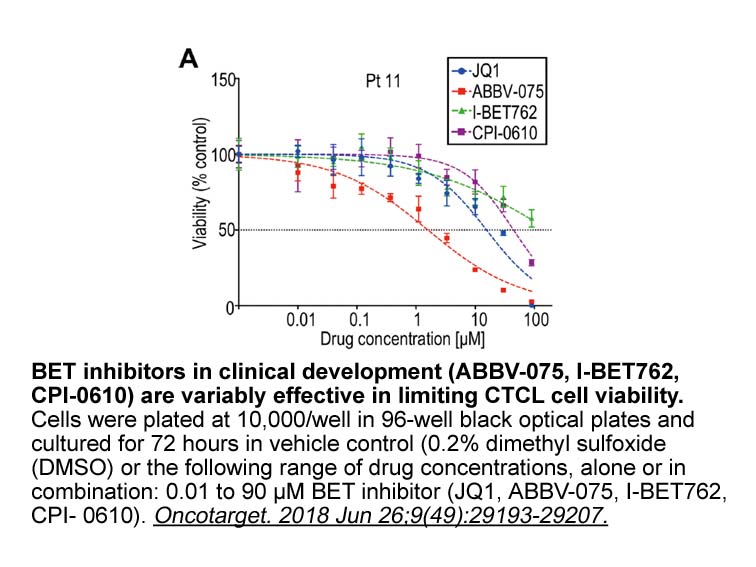
Materials and Methods Results Discussion 15-HETE is a predominant eicosanoid in pulmonary vascular remodeling, and it could promote hypoxia-induced PAH via its involvement in the regulation of proliferation and cell cycle progression in PASMCs. To understand its role in HPH, we have previou
-
TUNEL assay Apoptotic DNA fragmentation in cells was measure
2022-11-18
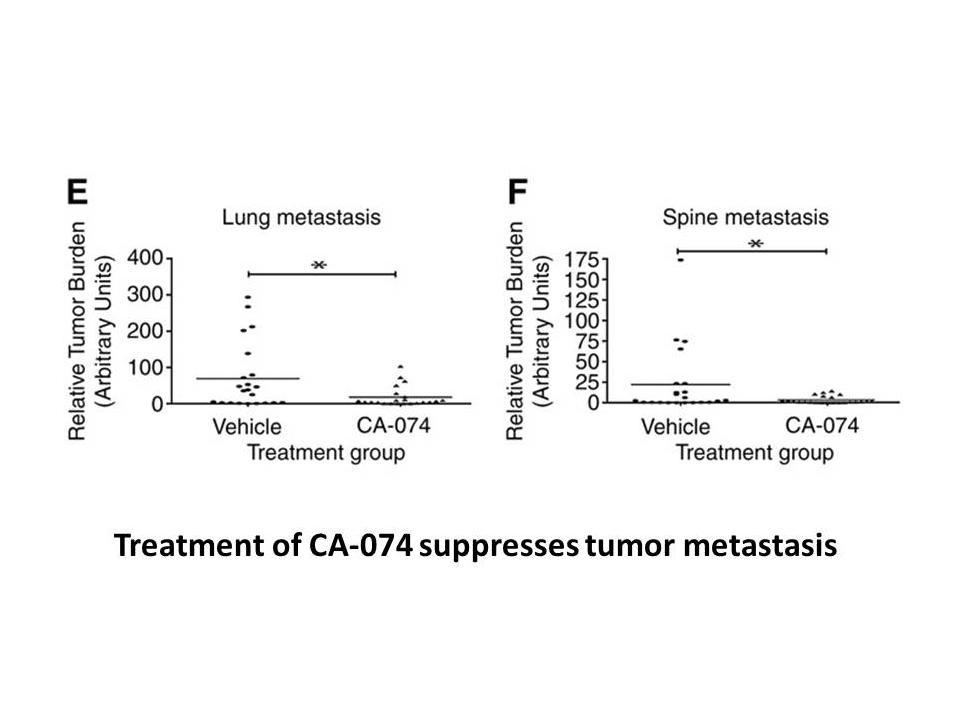
TUNEL assay. Apoptotic DNA fragmentation in regulator of g protein signaling was measured using a commercially available TUNEL assay kit (Thermo Fisher). Frozen cells were fixed with 10% paraformaldehyde/PBS. Apoptosis was determined by staining the 3′-OH ends of fragmented DNA with biotin-dNTP usin
-
pergolide Autocrine regulations of several adipokines e
2022-11-18
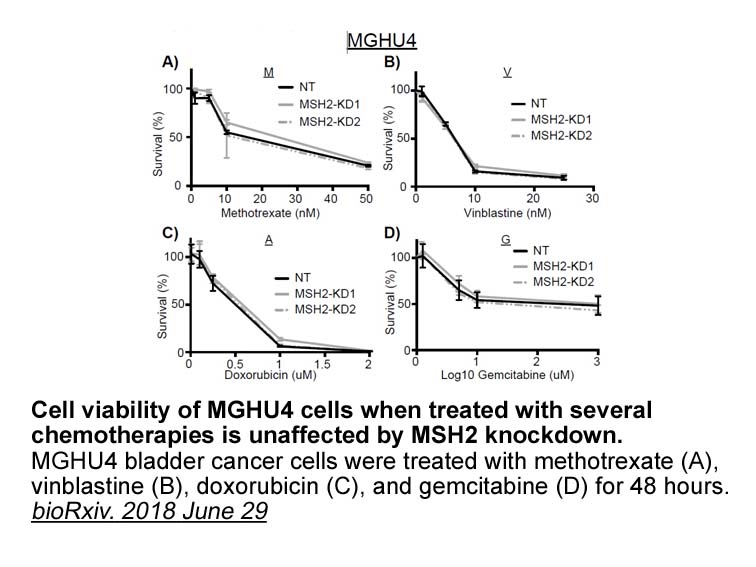
Autocrine regulations of several adipokines (e.g., leptin and resistin) on adipocytes have been reported (Karastergiou and Mohamed-Ali, 2010, Ye et al., 2010). Several lines of evidence have shown that apelin influences adipocyte functions, such as, lipolysis and glucose uptake (Dray et al., 2008, Y
-
The physiologic conditions and signaling mechanisms
2022-11-18
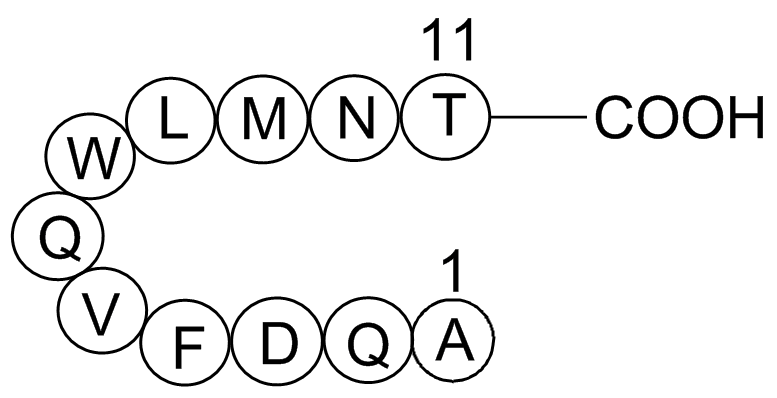
The physiologic conditions and signaling mechanisms that regulate apelin secretion and APLNR expression in malignant tissues appear to be multifactorial. Previous studies have shown that hyperplastic and neoplastic cholangiocytes secrete a variety of hormones, peptides, and growth factors that help
-
We report here the first study on
2022-11-18
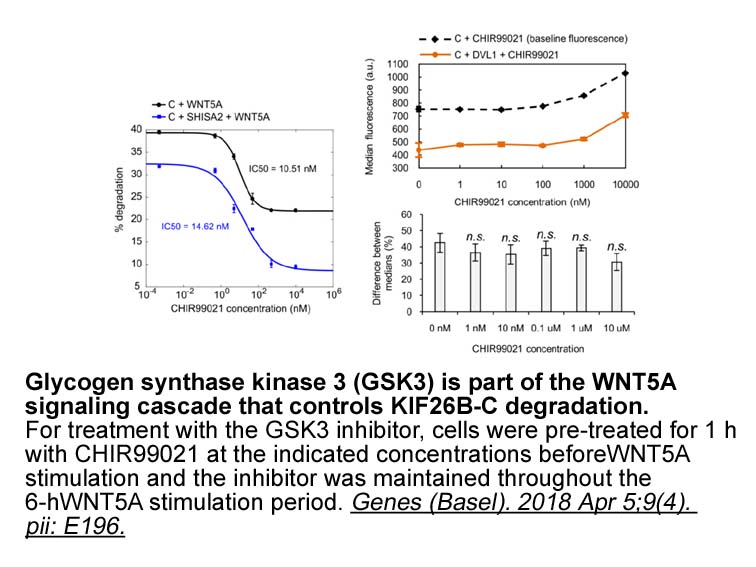
We report here the first study on the inhibitory effects of the organic nitrates – on human erythrocyte GR. The previous reports by Becker et al., investigated other nitro derivatives (including arylizoalloxazines) by using Beutler’s method, monitoring GR inhibition. Data of show inhibition of hGR
-
br Angiotensin receptor neprilysin inhibitors Sacubitril val
2022-11-18
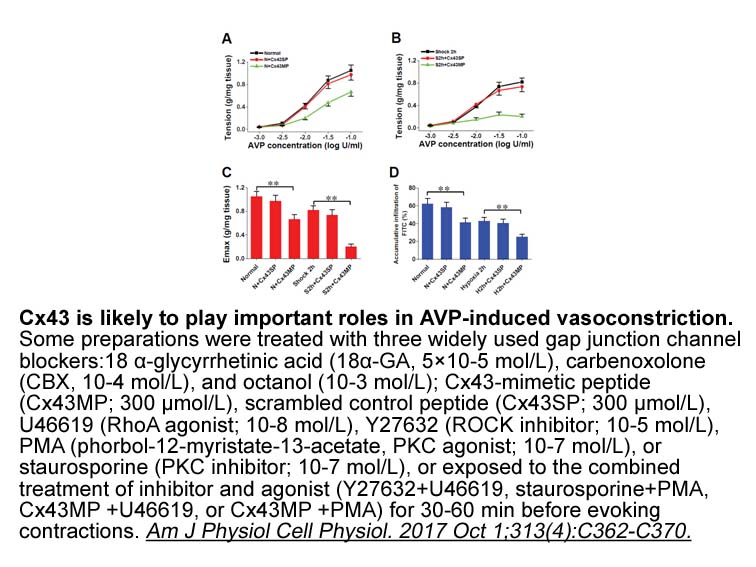
Angiotensin receptor-neprilysin inhibitors Sacubitril/valsartan is the first-in-class ARNI, comprising of molecular moieties of valsartan (ARB) and a neprilysin inhibitor prodrug, sacubitril (AHU377) [51]. Upon ingestion, sacubitril is rapidly metabolised into an active neprilysin inhibitor, sacu
-
What is the mechanism by which Wnt a Fz signaling
2022-11-18
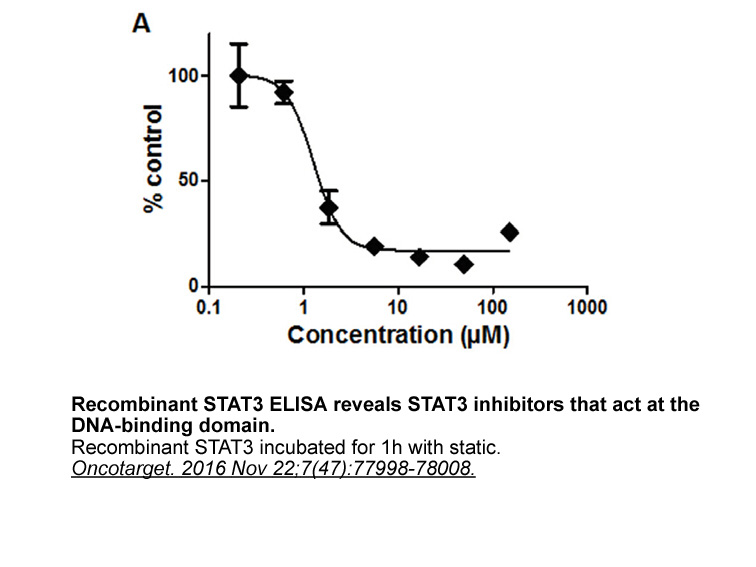
What is the mechanism by which Wnt7a-Fz7 signaling enhances AMPAR localization and synaptic strength? Following induction of LTP, the number of AMPARs rapidly increases at extrasynaptic sites (Makino and Malinow, 2009, Yang et al., 2008a) through PKA-dependent phosphorylation of GluA1 at S845 (He et
-
br Materials and Methods br Results A total of
2022-11-18
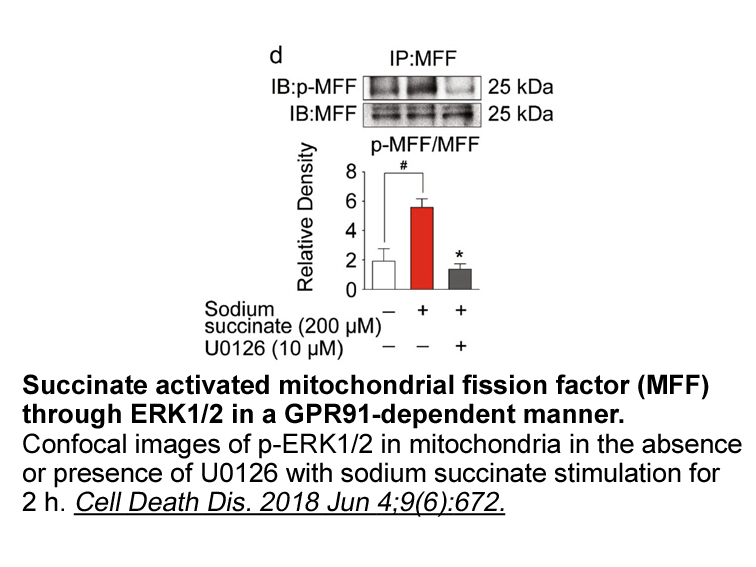
Materials and Methods Results A total of 28 NSCLC tumor samples from 26 patients (2 patients with paired tumor samples) were included. According to the initial FISH (Abbott Molecular probes) and IHC results, 13 samples were ALK IHC+FISH+, 5 samples were ALK IHC+FISH−, 2 samples (from the same
-
Aberrant or a sustained activation of AhR signaling
2022-11-18
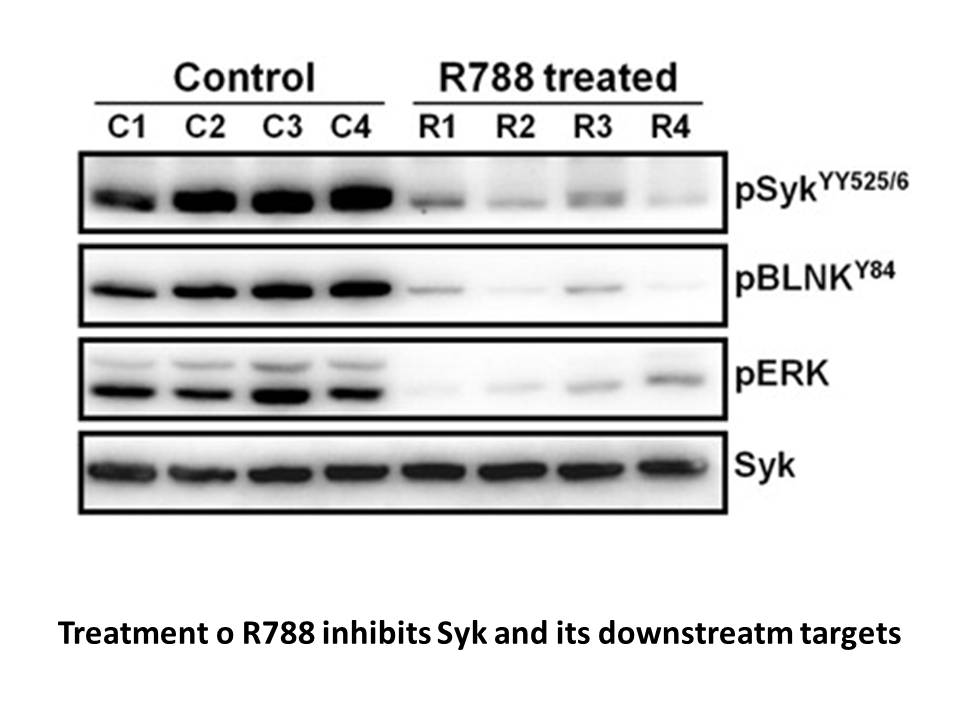
Aberrant or a sustained activation of AhR signaling pathway, triggered by exogenous toxic ligands such as dioxins, PAHs or polychlorinated biphenyls (PCBs), is a well-described biological process engaged during tumor initiation and/or promotion in various tissues (e.g. liver, lung, skin)(reviewed in
-
B lymphocytes are found in blood lymph nodes
2022-11-18
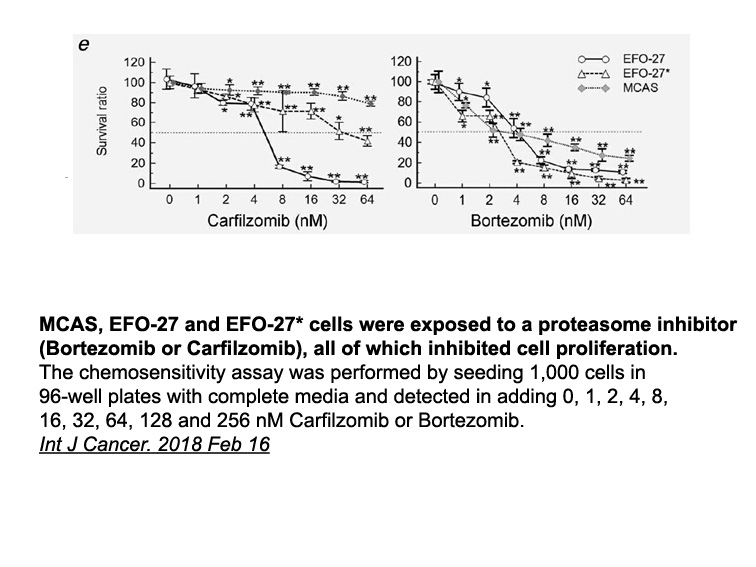
B lymphocytes are found in blood, lymph nodes, spleen and tonsil and other mucosal tissues [110]. These cells originate in the bone marrow from a common progenitor shared with T, NK, and some DC subsets [111]. Progenitor A 804598 progress through the early stages of maturation, rearranging heavy- a
-
Introduction Lysophosphatidic acid LPA is a
2022-11-17
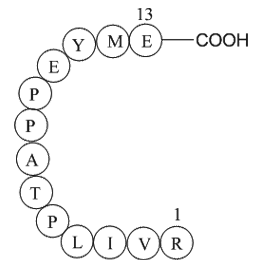
Introduction Lysophosphatidic BRL 37344, sodium salt receptor (LPA) is a key, serum-borne phospholipid, regulating a number of cellular processes such as proliferation, migration and differentiation through its interaction with G-protein coupled receptors. LPA receptor signaling has been implicate
16042 records 357/1070 page Previous Next First page 上5页 356357358359360 下5页 Last page