Archives
- 2026-01
- 2025-12
- 2025-11
- 2025-10
- 2025-09
- 2025-04
- 2025-03
- 2025-02
- 2025-01
- 2024-12
- 2024-11
- 2024-10
- 2024-09
- 2024-08
- 2024-07
- 2024-06
- 2024-05
- 2024-04
- 2024-03
- 2024-02
- 2024-01
- 2023-12
- 2023-11
- 2023-10
- 2023-09
- 2023-08
- 2023-07
- 2023-06
- 2023-05
- 2023-04
- 2023-03
- 2023-02
- 2023-01
- 2022-12
- 2022-11
- 2022-10
- 2022-09
- 2022-08
- 2022-07
- 2022-06
- 2022-05
- 2022-04
- 2022-03
- 2022-02
- 2022-01
- 2021-12
- 2021-11
- 2021-10
- 2021-09
- 2021-08
- 2021-07
- 2021-06
- 2021-05
- 2021-04
- 2021-03
- 2021-02
- 2021-01
- 2020-12
- 2020-11
- 2020-10
- 2020-09
- 2020-08
- 2020-07
- 2020-06
- 2020-05
- 2020-04
- 2020-03
- 2020-02
- 2020-01
- 2019-12
- 2019-11
- 2019-10
- 2019-09
- 2019-08
- 2019-07
- 2019-06
- 2019-05
- 2019-04
- 2018-11
- 2018-10
- 2018-07
-
nkcc inhibitor More recently NMR techniques have been
2021-10-21

More recently, NMR techniques have been used to monitor K+ () fluxes in isolated rat hearts. These reveal an increased rate of passive efflux of from Langendorff-perfused hearts at 20°C compared to 36°C or 10°C (Gruwel, Kuzio, Xiang, Deslauriers, & Kupriyanov, 1998). Similar experiments assessed th
-
Since our new compound Fex could be a new FXR
2021-10-21
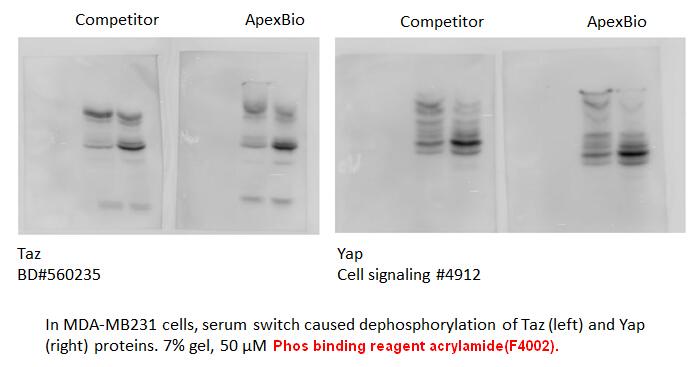
Since our new compound Fex-3 could be a new FXR ligand, we try to demonstrate that Fex-3 was an intestinal-restricted FXR agonist which only activated FXR in the intestine not in the liver or other organs. Initially, we investigated this in Caco-2 ApexPrep DNA Plasmid Miniprep Column Only with tran
-
br FXR expression in normal intestine and cancer Of
2021-10-21
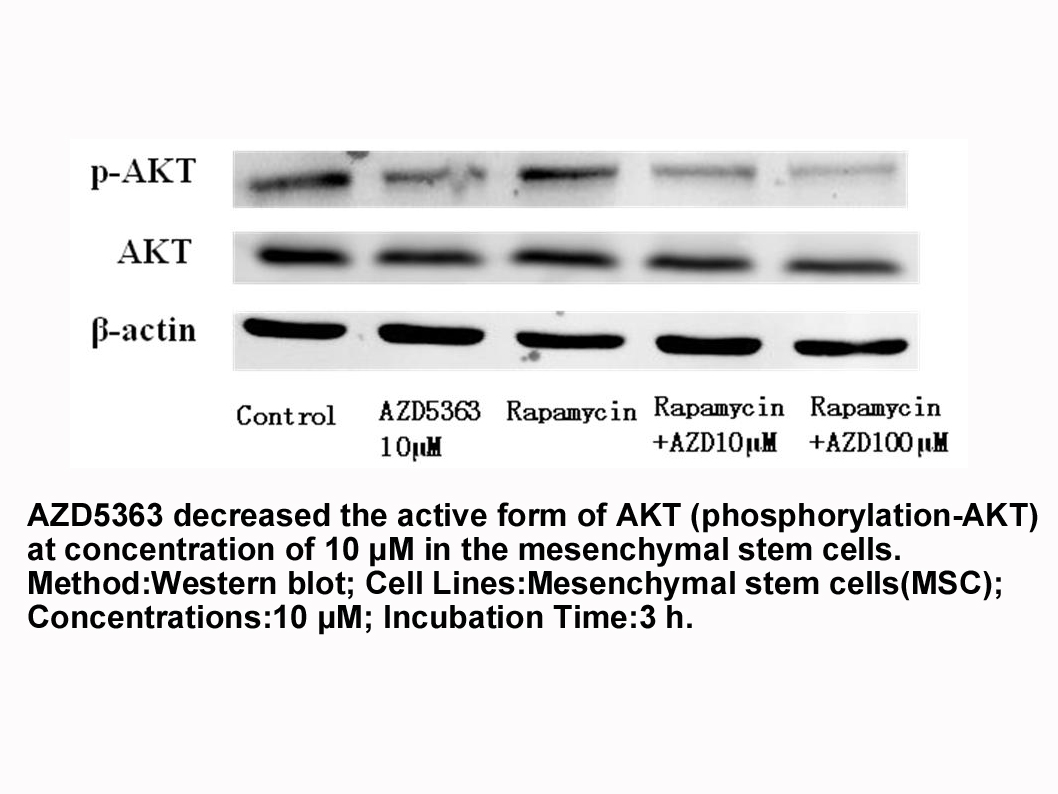
FXR 5(S),6(R)-7-trihydroxymethyl Heptanoate in normal intestine and cancer Of note, there are several question marks about FXR post-translational modifications (such as acetylation or SUMOylation) and their involvement in the pathogenesis of metabolic and inflammatory disease (Balasubramaniyan et
-
FGF signals can be transduced to the signaling cascades of
2021-10-21
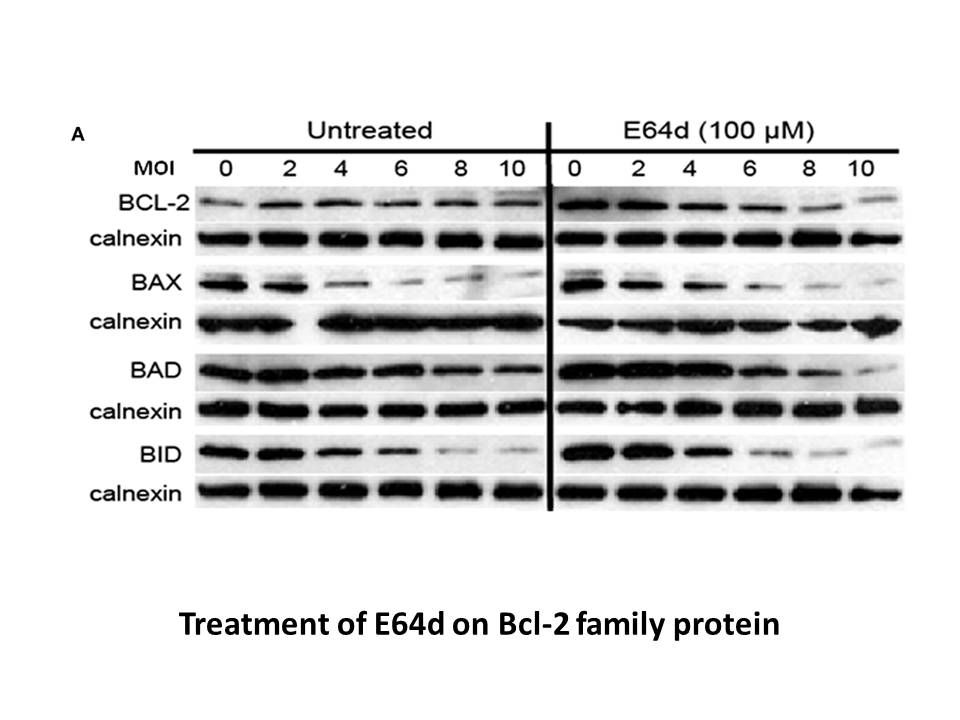
FGF signals can be transduced to the signaling cascades of RAS-MAPK or PI3K-AKT through FRS2 and GRB2, to the pathways of PKC or PKD via PLCγ and DAG, and to Ca2+-releasing cascade via PLCγ and IP3, finally affecting cellular proliferation, cellular survival, and angiogenesis [48]. By increasing syn
-
All the compounds and were assayed for their potential cytot
2021-10-21
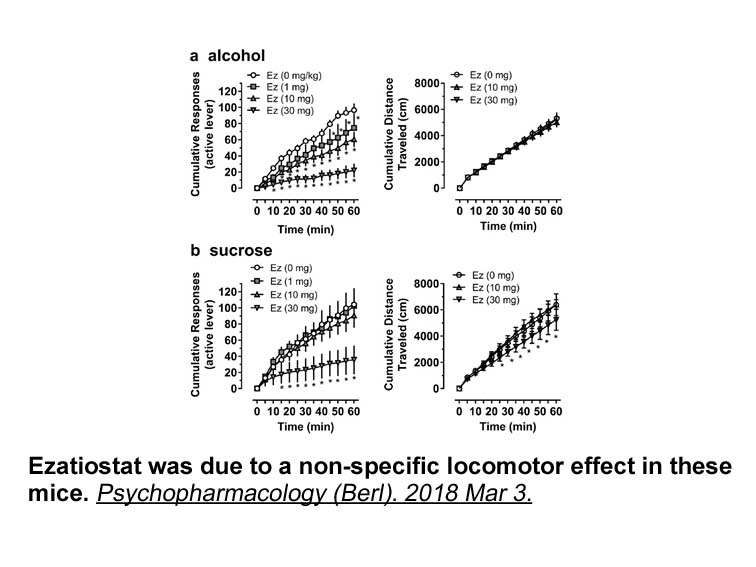
All the compounds –, , , –, , – and – were assayed for their potential cytotoxicity at a single dose of 10 µM on Huh7 cells. Interestingly, all compounds proved to be non toxic, with the exception of and which exhibited high cellular toxicity and therefore were excluded from further experiments (a
-
Here we show that lactate activates the
2021-10-20

Here we show that lactate activates the Gi-coupled receptor GPR81, which is exclusively expressed on adipocytes, and that lactate released from adipocytes in response to glucose and insulin mediates insulin-induced antilipolysis by activation of GPR81. Results Discussion Nutrients and their m
-
Tirofiban The diseases of ocular surface and
2021-10-20
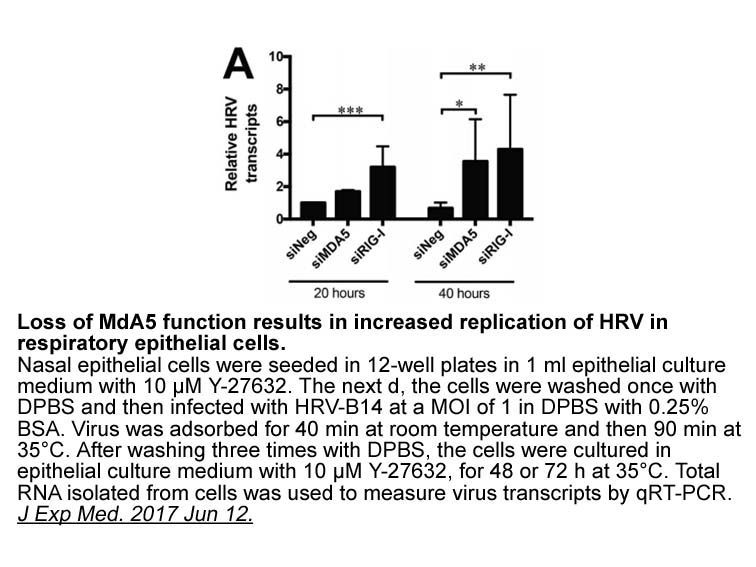
The diseases of ocular surface and the cornea are very common in ophthalmological practice and as a result there is a continuous, need for novel therapeutic options. Here, we demonstrated a corneal distribution of GPR35, a potential molecular target for new drugs (; ). The search for the expression
-
As disclosed in our preceding paper medicinal chemistry
2021-10-20
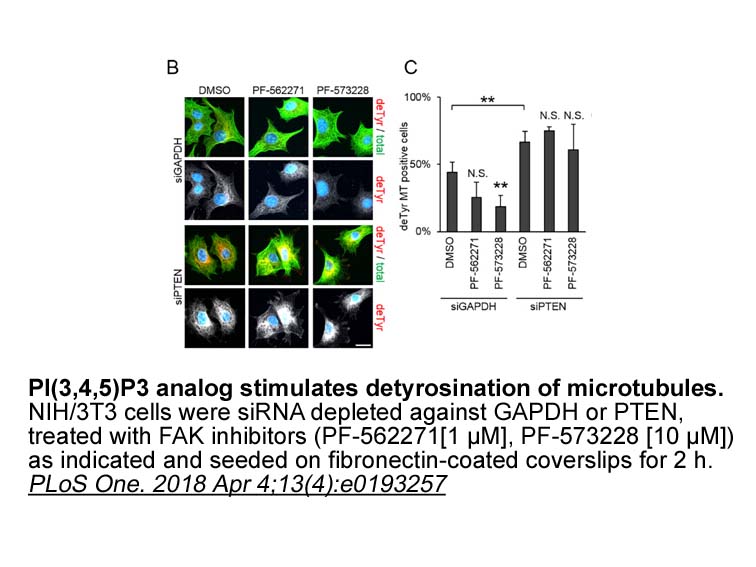
As disclosed in our preceding paper, medicinal chemistry SAR optimization of an HTS hit led to the discovery of , a potent and selective GPR119 agonist. This scaffold differs significantly from the ‘classical’ GPR119 pharmacophore, exemplified by the examples and (). Notably, HC-030031 lacks an
-
In addition to these effects on metabolic
2021-10-20

In addition to these effects on metabolic function in cardiac cells, this study also demonstrates changes in the expression of hypertrophic genes and proteins subsequent to GPR119 activation. Again this occurred in a distinct pattern dependent on palmitate exposure. Of interest SOCS3 mRNAs were decr
-
Biliary tract cancers BTC are
2021-10-20

Biliary tract cancers (BTC) are categorized into intrahepatic, perihilar, extrahepatic BTC (or cholangiocarcinoma) as well as gallbladder cancer (GBC). Although the incidence of BTC is low in developed countries (3% of gastrointestinal cancers), BTC is the second most common primary liver tumor afte
-
Recent work by Que et al
2021-10-20

Recent work by Que et al with mouse models implicates GSNOR in the cause of asthma. GSNOR is expressed in multiple cell types in the lung, including airway epithelial cells and infiltrating leukocytes. After exposure to ovalbumin, GSNOR activity increased in airway lining fluid, perhaps reflecting i
-
In plants NO production is one of the early responses
2021-10-20
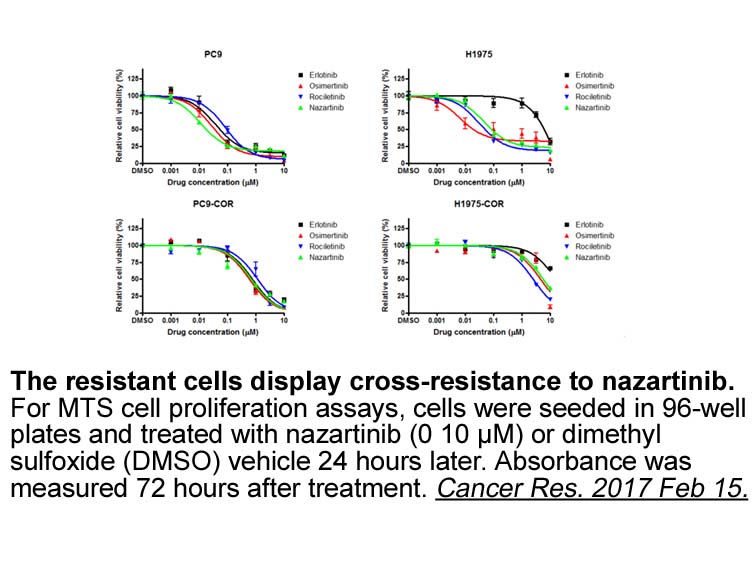
In plants, NO production is one of the early responses to stress (Tossi, Lamattina, & Cassia, 2009). Usually, NO signal transduction requires the involvement of downstream signaling compounds. We further investigated the effects of cGMP on GSK-3 expression. The data showed that LY83583 (a cGMP inhib
-
br Conflict of interest statement br Acknowledgements
2021-10-20
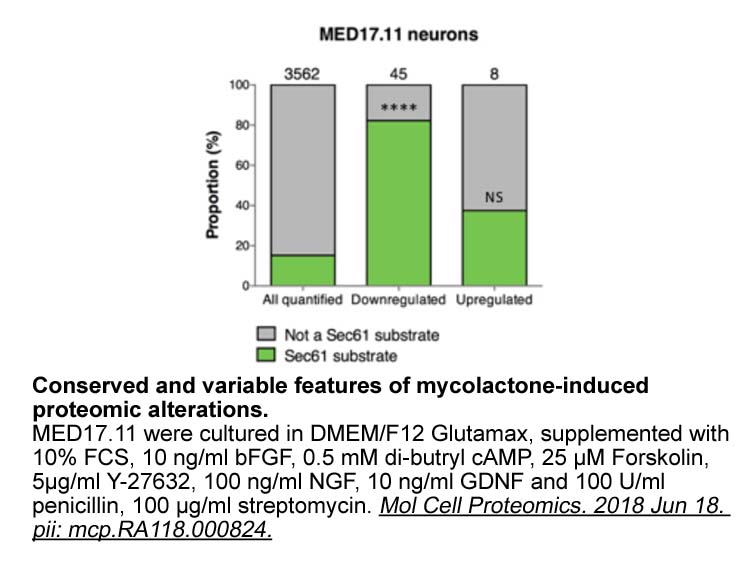
Conflict of interest statement Acknowledgements RF is supported by Pancreatic Cancer Research Fund (grant to MF); MF is supported by Prostate Cancer UK (PG12-23 and PG13-029). Background Lysophosphatidylinositol Molecular species and the biosynthesis of phosphatidylinositol, the precu
-
The original Bee Synch methodology now termed
2021-10-20
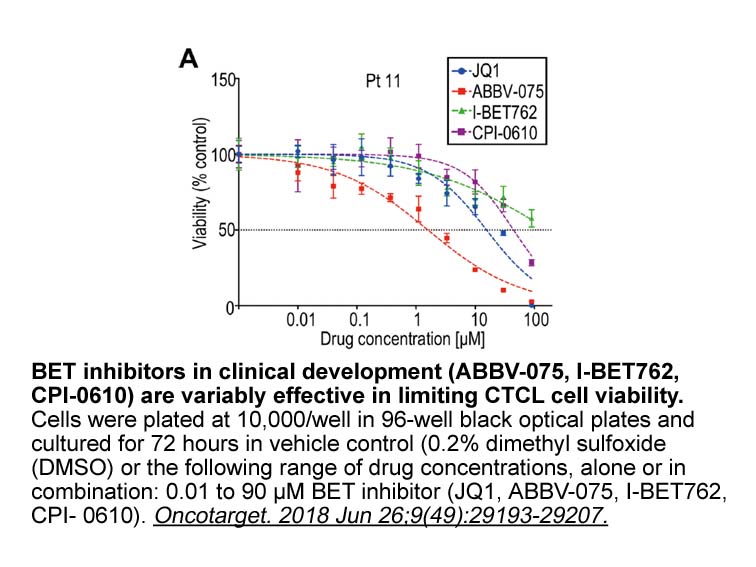
The original Bee Synch methodology (now termed Bee Synch I) utilizes a 5-day CIDR, GnRH (GnRH-1) and PGF on day 0, double dose of PGF on day 5, and FTAI with GnRH (GnRH-2) at 66 h after CIDR removal. Cruppe et al. (2014) reported that the inclusion of GnRH on day 0 does not contribute appreciably to
-
Trypanosomatid GLO enzymes are monomeric and contain
2021-10-20
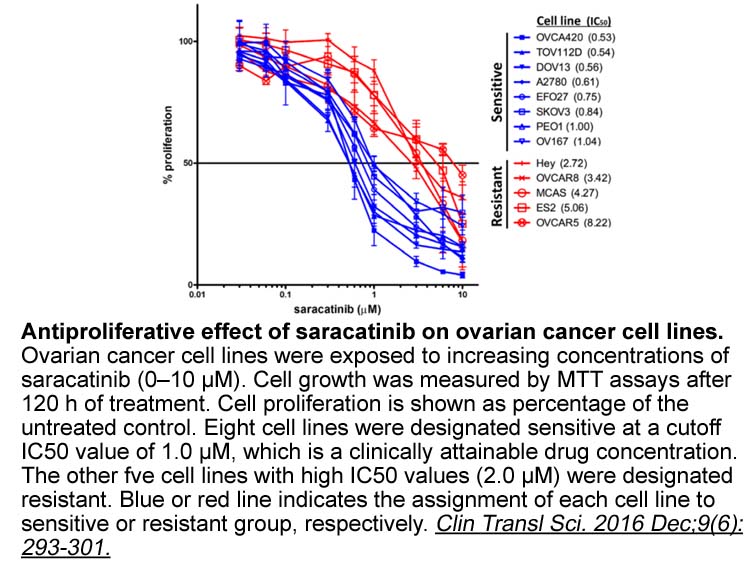
Trypanosomatid GLO2 enzymes are monomeric and contain a zinc–iron binuclear metal center (Irsch and Krauth-Siegel, 2004, Silva et al., 2008), similar to all other glyoxalases II. As mentioned, in T. brucei there are two GLO2 genes but only one encodes an enzyme with glyoxalase II activity (Irsch and
16045 records 560/1070 page Previous Next First page 上5页 556557558559560 下5页 Last page