Archives
- 2026-10
- 2026-09
- 2026-08
- 2026-07
- 2026-06
- 2026-05
- 2026-04
- 2026-03
- 2026-02
- 2026-01
- 2025-12
- 2025-11
- 2025-10
- 2025-09
- 2025-04
- 2025-03
- 2025-02
- 2025-01
- 2024-12
- 2024-11
- 2024-10
- 2024-09
- 2024-08
- 2024-07
- 2024-06
- 2024-05
- 2024-04
- 2024-03
- 2024-02
- 2024-01
- 2023-12
- 2023-11
- 2023-10
- 2023-09
- 2023-08
- 2023-07
- 2023-06
- 2023-05
- 2023-04
- 2023-03
- 2023-02
- 2023-01
- 2022-12
- 2022-11
- 2022-10
- 2022-09
- 2022-08
- 2022-07
- 2022-06
- 2022-05
- 2022-04
- 2022-03
- 2022-02
- 2022-01
-
In conclusion we identify in
2023-09-01
In conclusion, we identify in this report the molecular nature of the 12- and 15-lipoxygenases in M. mulatta and P. pygmaeus and also that the expression of the rhesus enzyme in lung epithelial cells is regulated by interleukin-4. The switch from a mainly 12-LO enzyme to a mainly 15-LO enzyme during
-
br Brain cell reactions Brain cells in common with
2023-09-01
Brain cell reactions Brain cells in common with all metabolic cells must contain chemically active primary compounds which spontaneously initiate and continue cell reactions under normal conditions of temperature and pressure (NTP). These compounds have been identified as monophosphoric and polyp
-
Heat shock protein Hsp is a molecular chaperone that
2023-09-01

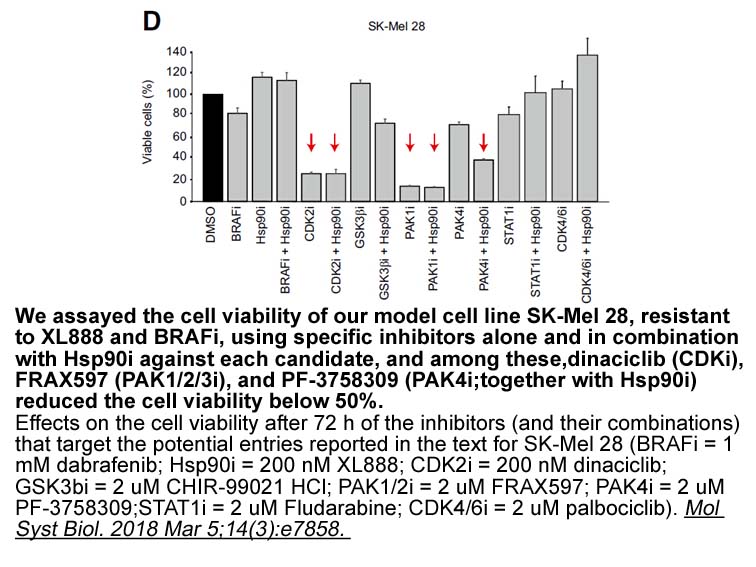
Heat shock protein 90 (Hsp90) is a molecular chaperone that plays a central role in regulating the maturation, activation and stability of numerous “client proteins” that drive the development and progression of many cancers. Therefore, inhibition of Hsp90 would result in degradation of the client p
-
The correlation in the increase
2023-09-01
The correlation in the increase of BADH mRNA, protein levels, and enzyme activity, demonstrate that oxidation of betaine aldehyde by BADH is primordial to regulate the GB accumulation during physiological cardiac hypertrophy induced by pregnancy, this implies a major role because GB levels enhance c
-
Most of the modifications in
2023-09-01

Most of the modifications in the sympathetic nervous system occurring with aging, including decreased βAR responsiveness, increased circulating catecholamines, and overall hyposensitivity to adrenergic stress, are also observed in patients with failing hearts. Moreover, young people are more reactiv
-
AMPK is an essential player in adiponectin
2023-09-01
AMPK is an essential player in adiponectin signaling pathway that regulates energy metabolism. The fact that suppression of AMPK activity by compound C largely diminished candesartan-mediated inhibition of NFκB via blocking AT1 also suggests that the AT1-mediated effect is at least partly resulted f
-
br A Rs which were cloned and
2023-09-01

A3Rs, which were cloned and then pharmacologically identified in the early 1990s, are expressed in multiple organs and peripheral tissues including ll-37 involved in inflammatory responses (Gessi et al., 2008, Borea et al., 2014). While low levels are expressed in the CNS, A3R agonists produce fu
-
Our analysis demonstrated that ADA is a transpicuous and
2023-09-01
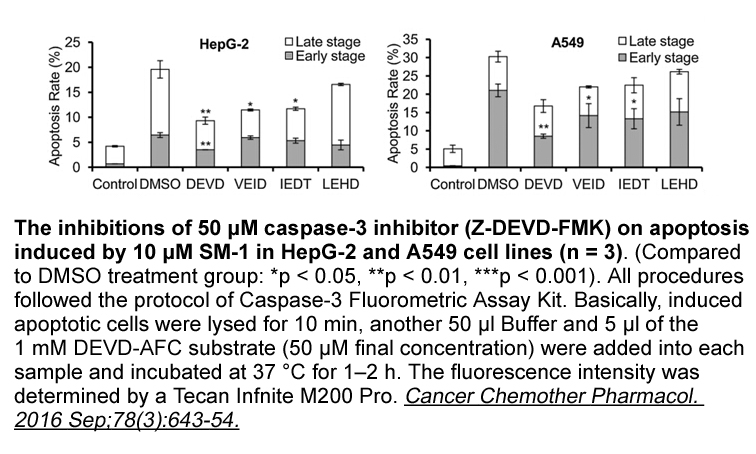
Our analysis demonstrated that ADA is a transpicuous and rapid test with high sensitivity and specificity for diagnosis of TBM decidedly. The summary sensitivity and specificity were 0.89 and 0.91 respectively, indicating a sufficient level for overall diagnostic accuracy. The modality of SROC curve
-
However although in vitro studies in heterologous systems
2023-08-31
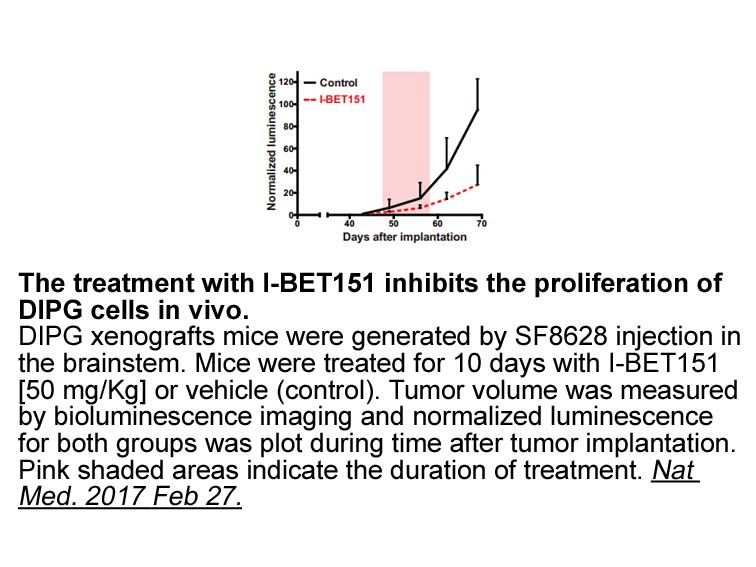
However, although in vitro studies in heterologous systems have provided very important indications of potential novel pharmacology, the studies with endogenous receptors in native tissues are essential to provide evidence for GPCR heteromerization in vivo and to confirm its physiological relevance.
-
Renal Cell Carcinoma RCC is a lethal cancer with
2023-08-31
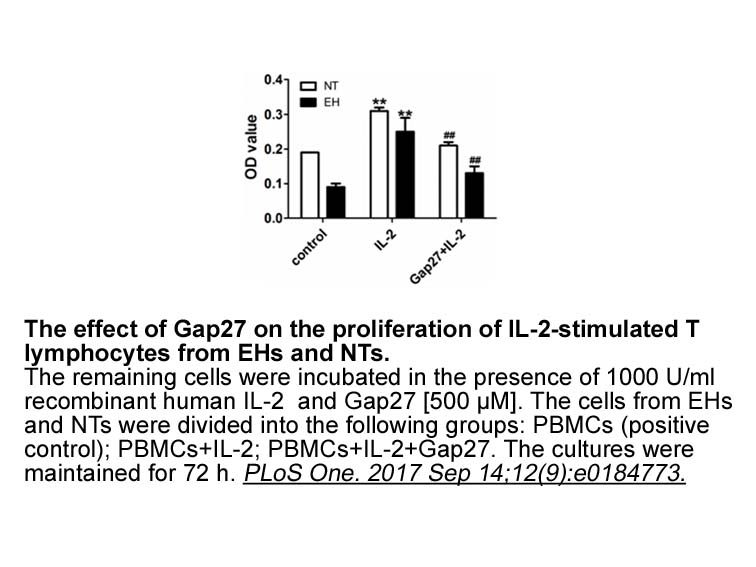
Renal Cell Carcinoma (RCC) is a lethal cancer with bad prognosis due to development of chemoresistance and recurrence of an aggressive tumor with increased tumor-angiogenesis and metastasis [7]. We have found Axl and Gas6 to be differentially presented in RCC subtypes, and Axl to correlate to tumor
-
In conclusion AXL overexpression preexisted in a
2023-08-31
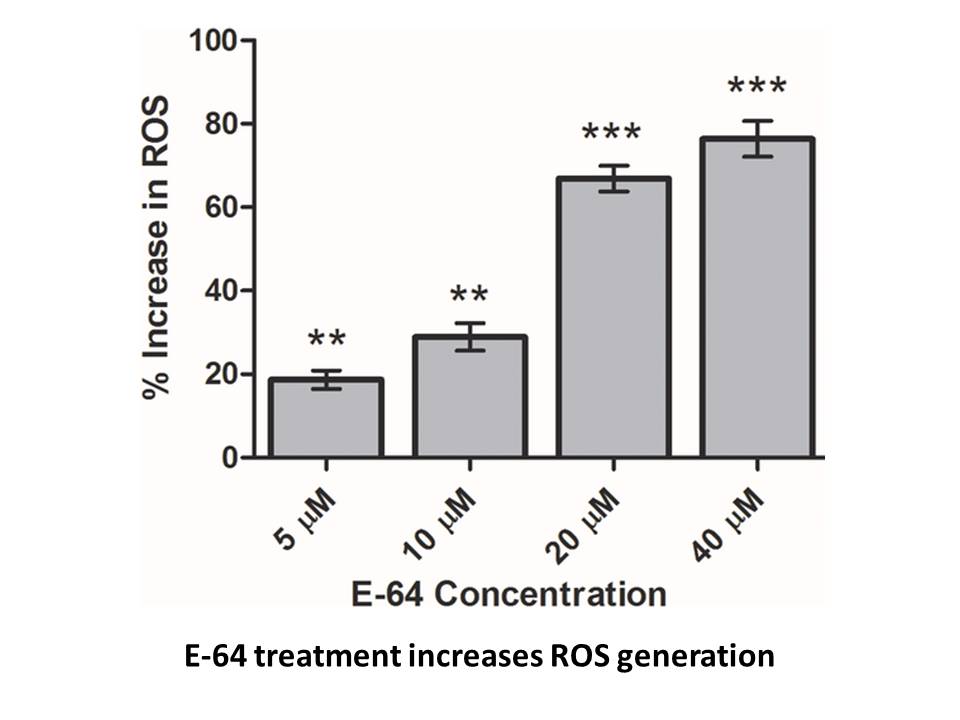
In conclusion, AXL overexpression preexisted in a subgroup of treatment-naive lung adenocarcinoma specimens harboring an activating EGFR mutation or in those with wild-type EGFR. Anti-AXL therapeutics delivered up front in combination with the EGFR inhibitor might overcome intrinsic or acquired resi
-
br Role of LPA in
2023-08-31
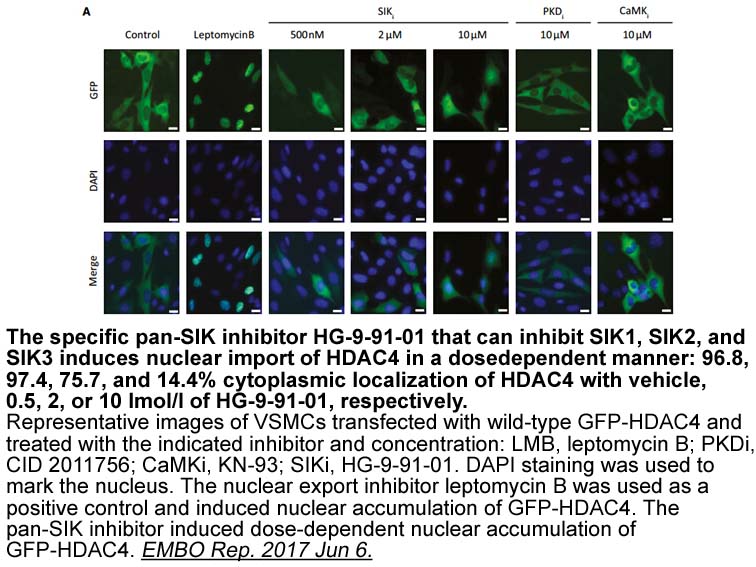
Role of LPA in tumor angiogenesis and skeletal metastasis The angiogenesis switch is essential for tumor expansion and escape of tumor learn more from the primary site and forming distant metastases. Evidence for the role of LPA2 and LPA3 in the mobility of endothelial cells and the formation of
-
Ryoichi et al modified potent clinical candidate VX
2023-08-31
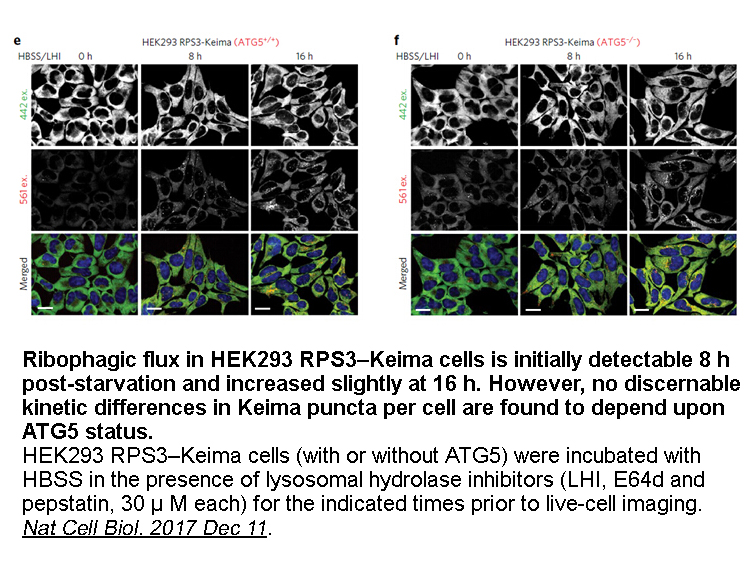
Ryoichi et al. modified potent clinical candidate VX-680 (6) with 3-cyano-6-(5-methyl-3-pyrazolamino)pyridine as Aurora kinase inhibitor. Substituted cyano pyridine derivative (7) inhibited proliferation of HCT-116 cells with an IC50 value of 115 nM. It showed tumor inhibition in mice model at a dos
-
From an historical perspective ligands for GPCRs adrenaline
2023-08-31
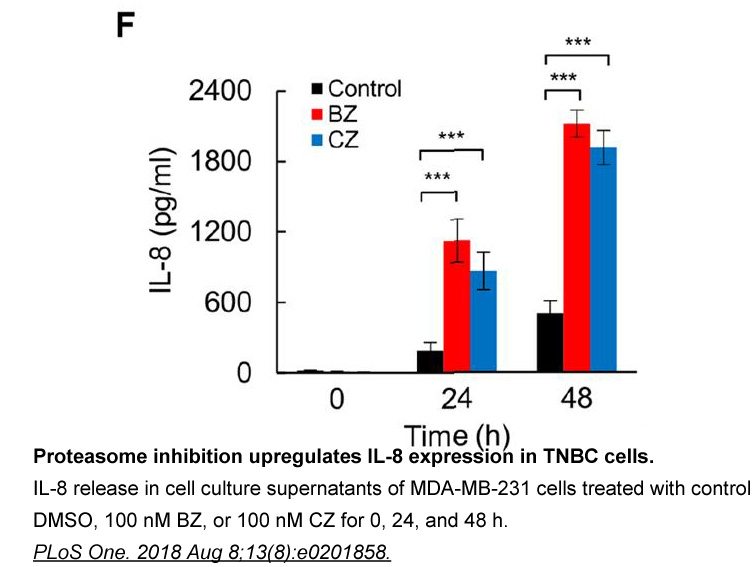
From an historical perspective, ligands for GPCRs (adrenaline, serotonin, pd98059 or morphine, to name a few) have been identified before their receptor counterparts, at a time when the concept of receptor itself was controversial [15]. Although many cognate receptors for endogenous ligands were ra
-
While increased arginase levels has been shown in animal mod
2023-08-31
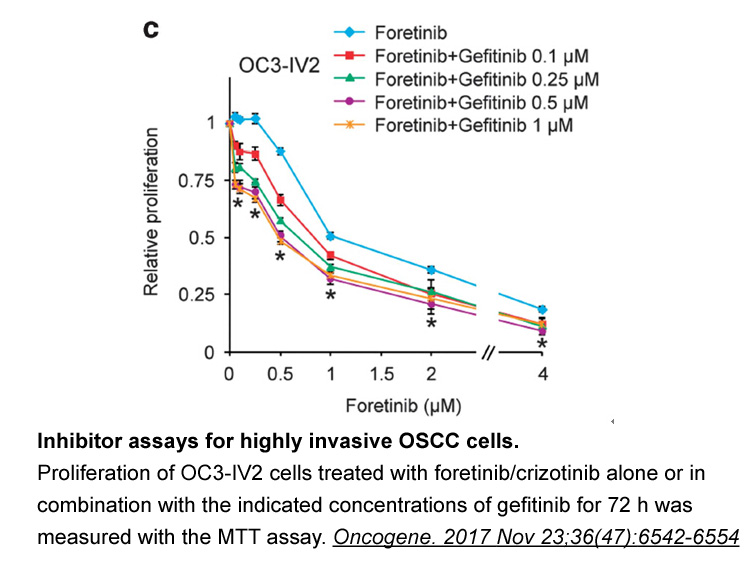
While increased arginase levels has been shown in animal models and in humans with cardiovascular dysfunction [16], [22], [23], it is unknown whether plasma levels or activity of Arginase may predict ED risk. In addition, recent evidence suggests that plasma l-arginine hydrolysis by arginases limits
8178 records 327/546 page Previous Next First page 上5页 326327328329330 下5页 Last page