Archives
- 2026-10
- 2026-09
- 2026-08
- 2026-07
- 2026-06
- 2026-05
- 2026-04
- 2026-03
- 2026-02
- 2026-01
- 2025-12
- 2025-11
- 2025-10
- 2025-09
- 2025-04
- 2025-03
- 2025-02
- 2025-01
- 2024-12
- 2024-11
- 2024-10
- 2024-09
- 2024-08
- 2024-07
- 2024-06
- 2024-05
- 2024-04
- 2024-03
- 2024-02
- 2024-01
- 2023-12
- 2023-11
- 2023-10
- 2023-09
- 2023-08
- 2023-07
- 2023-06
- 2023-05
- 2023-04
- 2023-03
- 2023-02
- 2023-01
- 2022-12
- 2022-11
- 2022-10
- 2022-09
- 2022-08
- 2022-07
- 2022-06
- 2022-05
- 2022-04
- 2022-03
- 2022-02
- 2022-01
-
Imeglimin synthesis The AT hook motif is highly conserved in
2022-11-05
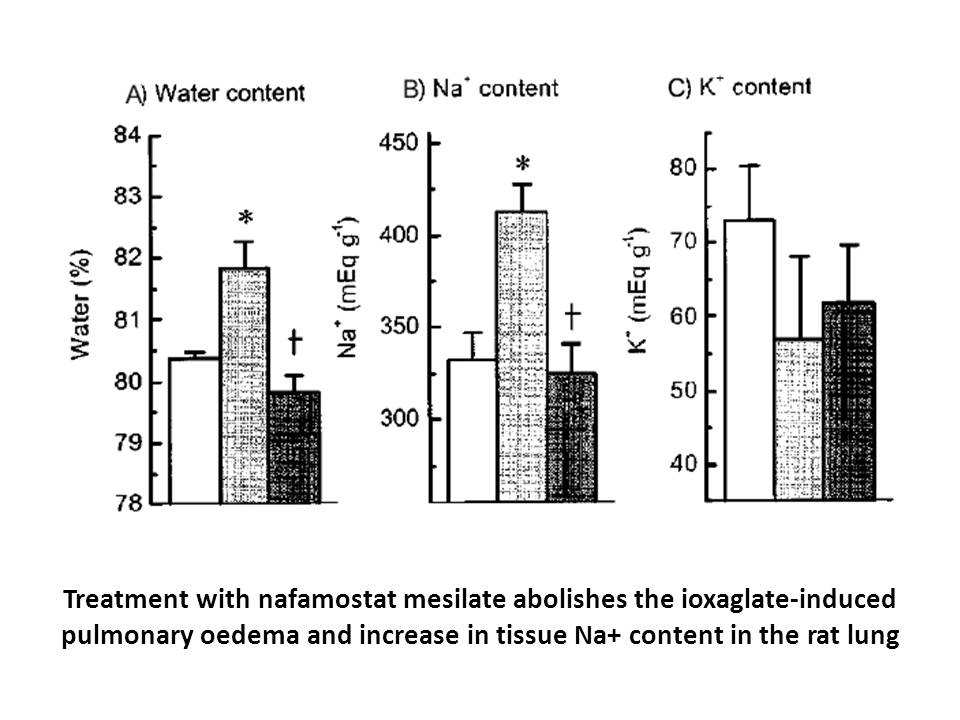
The AT-hook motif is highly conserved in evolution from bacteria to humans and is found in one or more copies in a large number of other, non-HMGA, proteins, many of which are transcription factors or are involved in chromatin remodeling [8]. For example, AT-hook peptide motifs are essential compone
-
br Materials and methods br Results br Discussion Our result
2022-11-04
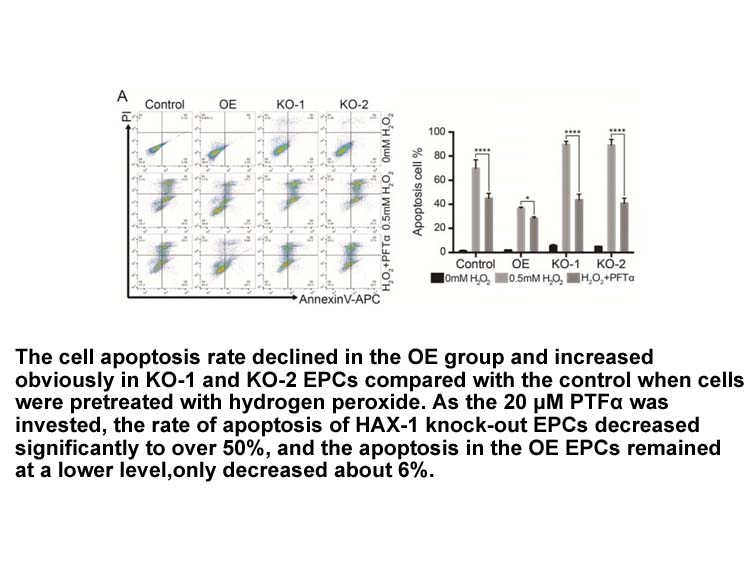
Materials and methods Results Discussion Our results revealed that LPS injection in rats impaired fear memory in the PA task. This results are in agreement with the most of previous studies reported that following acute [23,24,39,[45], [46], [47]] or chronic systemic Ro 31-8220 receptor [3
-
Introduction AMP activated protein kinase
2022-11-04
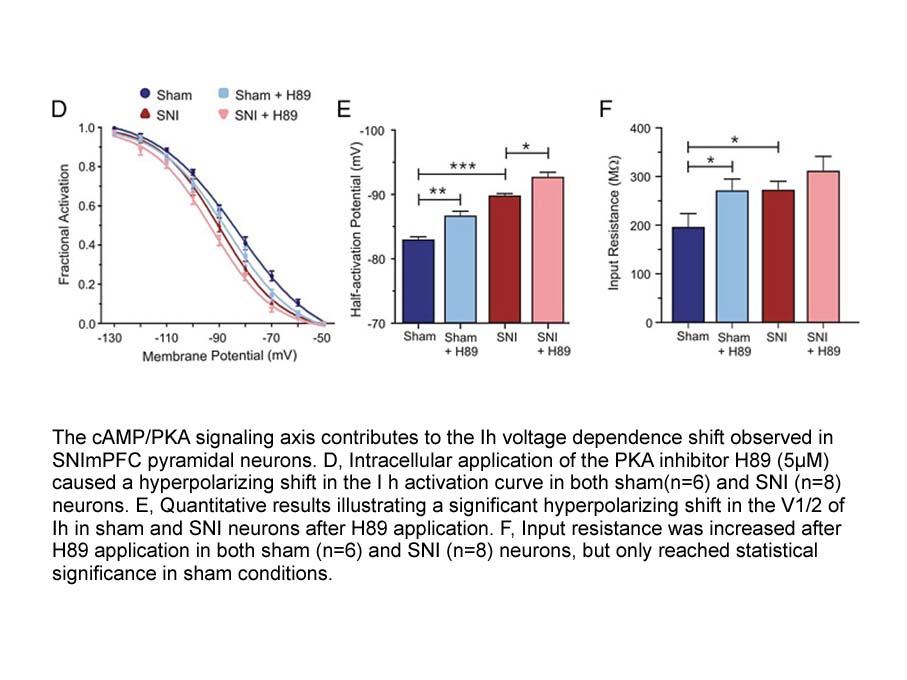
Introduction AMP-activated protein kinase (AMPK) is mainly known as a highly conserved and ubiquitously expressed energy sensor that is highly sensitive to changes in cellular energy levels (by sensing increases in AMP:ATP and ADP:ATP ratios) and makes appropriate adjustment to balance the consumpt
-
Outro grupo de trabalho analisou pares de g meos
2022-11-04
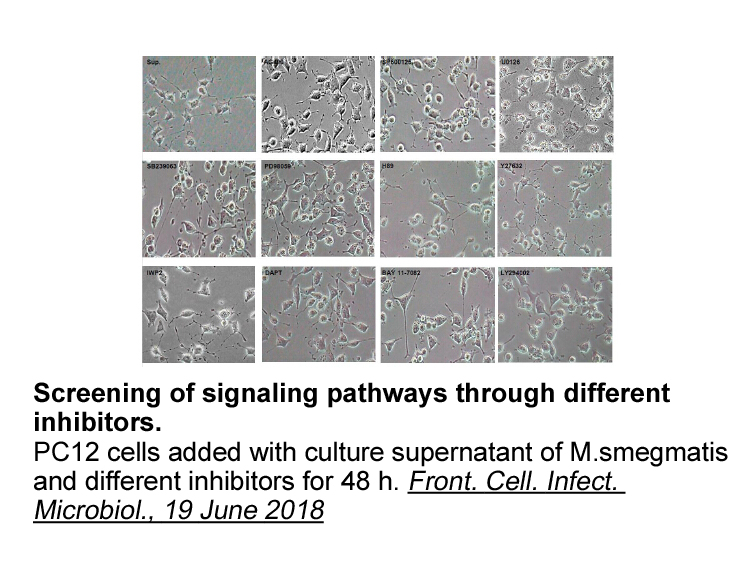
Outro grupo de trabalho analisou 8.503 pares de gêmeos dinamarqueses de meia‐idade (nos Ac-Endothelin-1 (16-21), human de cognição comparados com os que não sofreram qualquer intervenção, no entanto os autores consideram a diferença como um efeito de tamanho negligenciável. Na análise intrapares o
-
Thus we presumed that ALDH A
2022-11-04
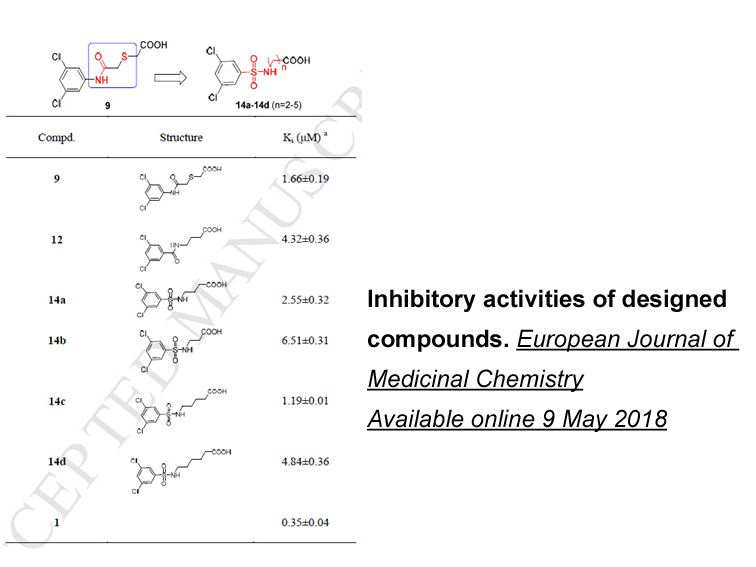
Thus, we presumed that ALDH1A3 might play an important role in TMZ-chemoresistance in glioblastoma patients. As we expected, the glioblastoma cell lines and primary glioma capivasertib were more sensitive to TMZ treatment when ALDH1A3 was inhibited or depleted. Consistently, it has been shown that
-
Mitochondria from frozen thawed bull sperm are
2022-11-04
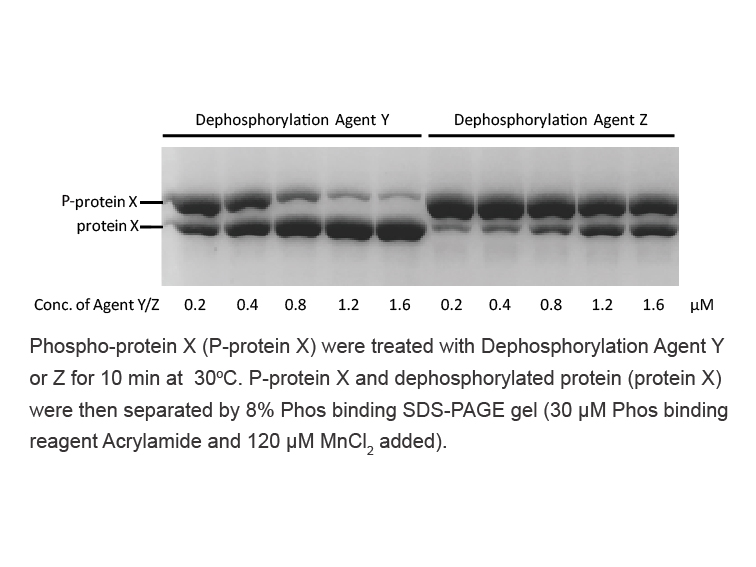
Mitochondria from frozen-thawed bull sperm are capable of producing energy using pyruvate and lactate as substrates through oxidative pathways (Beorlegui et al., 1997). Based on the present study, heparin capacitated sperm had a lesser lactate concentration in the incubation medium, supporting the h
-
Introduction The cytoskeleton allows cells to establish main
2022-11-04
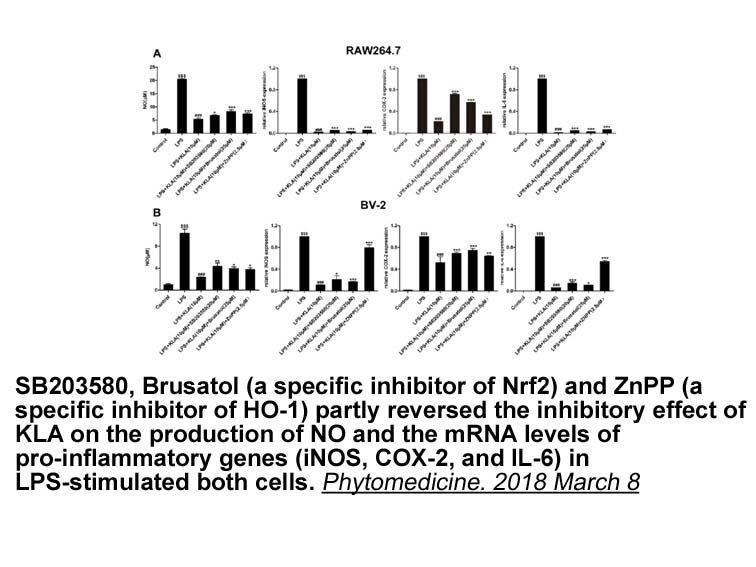
Introduction The cytoskeleton allows cells to establish, maintain and transform their shape. In neurons, these include cell differentiation, migration, polarization and development of their unique arborization. Axons are very thin (~1 μm), long (up to 1m) and highly branched (>95% of the plasma mem
-
br Conclusion Biotransformation of trachyloban oic acid
2022-11-04
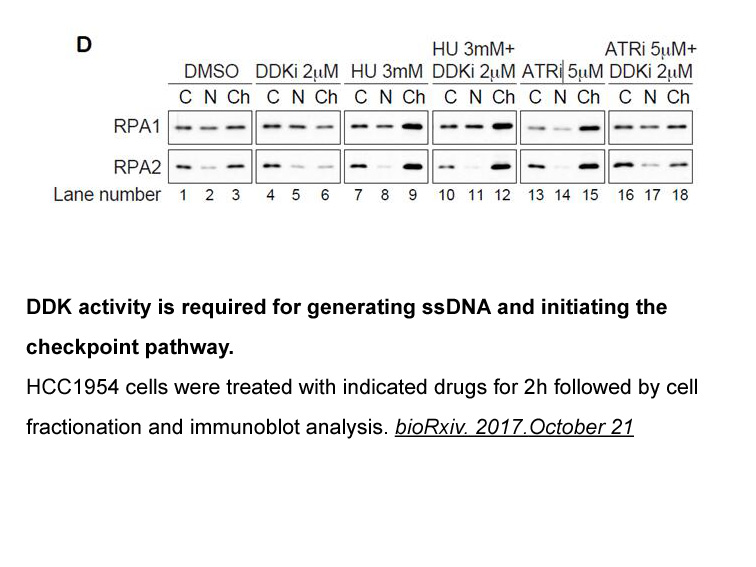
Conclusion Biotransformation of trachyloban-19-oic ST 2825 mg by S. racemosum provided three products. Oxidation of compound 1 at C-17 (2–3), as well as rearrangement of 1 into a kaurane diterpene hydroxylated in C-16 and C-17 (4) were crucial for increasing AChE inhibitory activity. Compound 3
-
The purpose of the present
2022-11-04
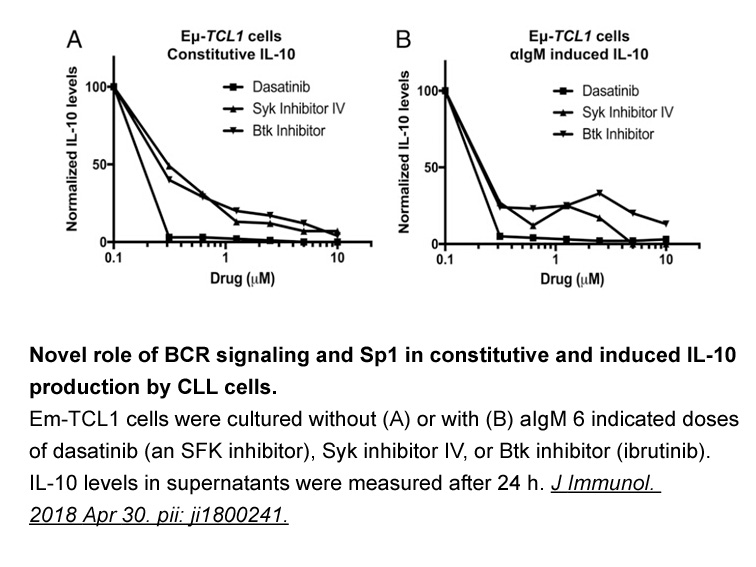
The purpose of the present study is (1) to characterize AChE from the monogonont B. koreanus and to analyze the modulation of the AChE activity and its transcription level after exposure to six pharmaceuticals, (2) to evaluate the usefulness of AChE as a molecular biomarker upon pharmaceutical expos
-
The subdivision of HT receptors started
2022-11-04
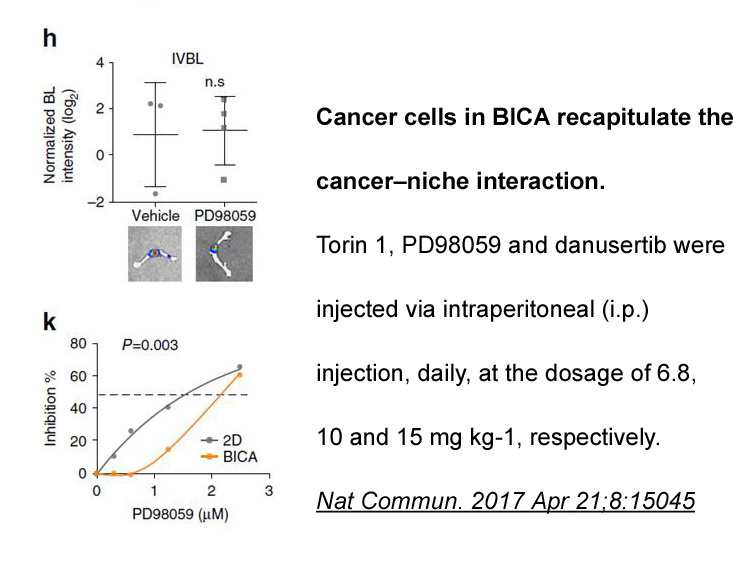
The subdivision of 5-HT receptors started in the 1950s by Gaddum and colleagues, when they realised that in the guinea pig ileum, the effects of 5-HT could be blocked in part by morphine (M), and in part by dibenzyline (D). Gaddum and Picarelli proposed two receptor classes, 5-HT M and 5-HT D (1957)
-
All scientific data over the years points that reductase
2022-11-04
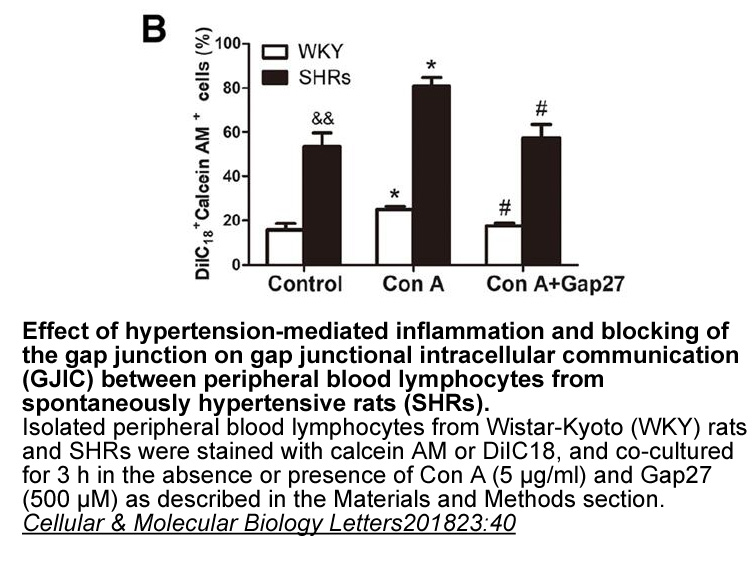
All scientific data over the years points that 5α-reductase inhibitors undoubtedly are an effective treatment for BPH and associated LUTS, having a favorable risk-benefit profile. In contrast, although some studies indicated positive results, there is still no consensus about their use in BPH or PC
-
The reductase activity in patients with OHD as assessed
2022-11-04
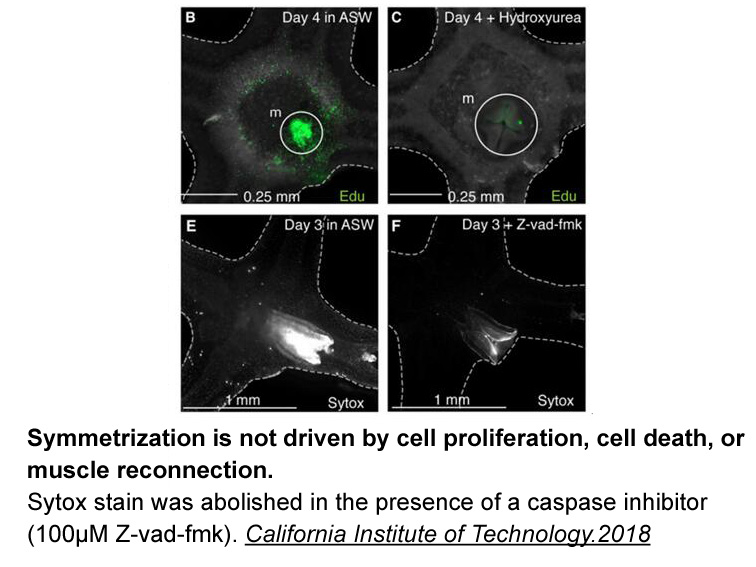
The 5α-reductase activity in patients with 21-OHD, as assessed by the 5α-THF to 5β-THF (ratio 3) and by the 5α-17HP to 17HP (ratio 4) ratios, showed a similar pattern of activities (Fig. 2A–C) and significant correlations (ratio 1 vs. ratio 3; rs=0.67; pIn orexin to the 5α-reducase activity, the ac
-
The approach of enzymatically converting an analyte
2022-11-04
The approach of enzymatically converting an analyte and detecting it by the resulting small pH changes near the reduced graphene oxide (rGO) surface has successfully been pursued in case of urea (Piccinini et al., 2017). Furthermore, this work reported that electrostatic layer-by-layer (LbL) assembl
-
br Experimental EPR spectra of probes a f were
2022-11-03
Experimental EPR spectra of probes 1a–f were recorded on a Bruker EMX-1572 operating at X-band (9.0–9.9 GHz), at 21 ± 1 °C. The EPR parameters were the same in all experiments: microwave power, 1 mW; modulation amplitude, 5 G; time constant, 10.24 ms; and conversion time, 40.96 ms. Reduced gluta
-
br Conclusions br Funding This work was supported by
2022-11-03
Conclusions Funding This work was supported by a Finnish government subsidy for health science research [grant numbers TYH2012141, TYH 2013218, and TYH 2014216]; the SSAC Foundation [grant numbers SLS-504141 and SLS-693781]; and the Paulo Foundation. The funding sources had no involvement in s
8177 records 392/546 page Previous Next First page 上5页 391392393394395 下5页 Last page