Archives
- 2026-07
- 2026-06
- 2026-05
- 2026-04
- 2026-03
- 2026-02
- 2026-01
- 2025-12
- 2025-11
- 2025-10
- 2025-09
- 2025-04
- 2025-03
- 2025-02
- 2025-01
- 2024-12
- 2024-11
- 2024-10
- 2024-09
- 2024-08
- 2024-07
- 2024-06
- 2024-05
- 2024-04
- 2024-03
- 2024-02
- 2024-01
- 2023-12
- 2023-11
- 2023-10
- 2023-09
- 2023-08
- 2023-07
- 2023-06
- 2023-05
- 2023-04
- 2023-03
- 2023-02
- 2023-01
- 2022-12
- 2022-11
- 2022-10
- 2022-09
- 2022-08
- 2022-07
- 2022-06
- 2022-05
- 2022-04
- 2022-03
- 2022-02
- 2022-01
- 2021-12
- 2021-11
- 2021-10
- 2021-09
- 2021-08
- 2021-07
- 2021-06
- 2021-05
- 2021-04
- 2021-03
- 2021-02
- 2021-01
- 2020-12
- 2020-11
- 2020-10
- 2020-09
- 2020-08
- 2020-07
- 2020-06
- 2020-05
- 2020-04
- 2020-03
- 2020-02
- 2020-01
- 2019-12
- 2019-11
- 2019-10
- 2019-09
- 2019-08
- 2019-07
- 2019-06
- 2019-05
- 2019-04
- 2018-11
- 2018-10
- 2018-07
-
br Role of ERK signaling
2021-03-03
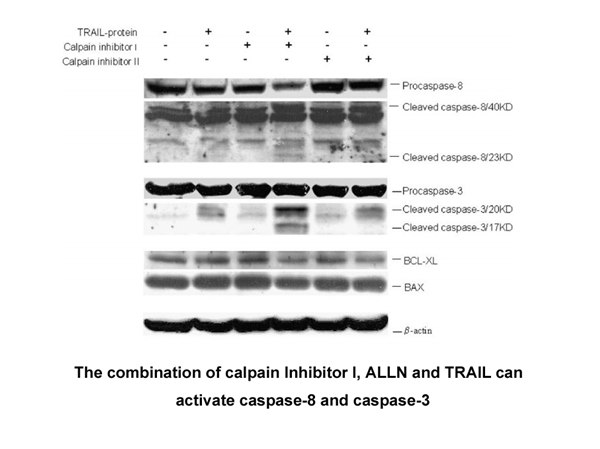
Role of ERK signaling in preventive and therapeutic potential of flavonoids in neurodegenerative diseases ERK is one of the main pharmacological targets of natural phenolic compounds and contributes to several therapeutic approaches including anti-atherogenic, anti-cancer, anti-colitis, anti-arth
-
T7 Tag Peptide is one of the few parasites that can be encys
2021-03-03
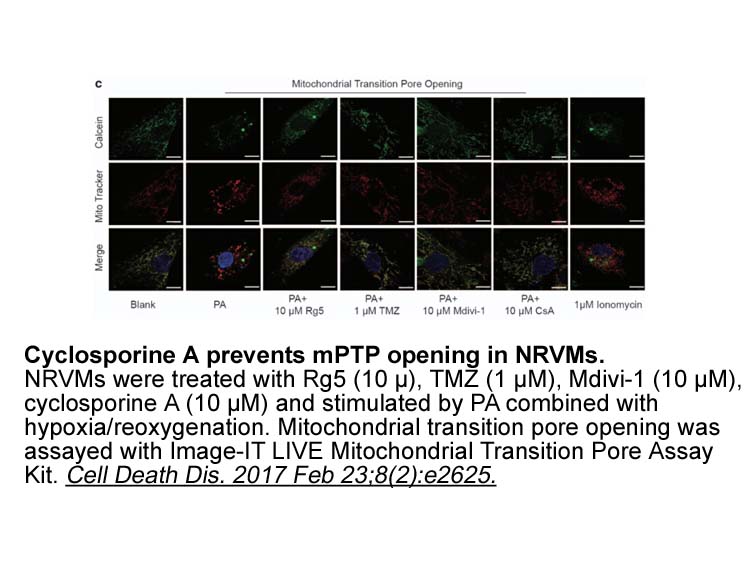
is one of the few parasites that can be encysted and excysted and we tested the localization and role of HA-tagged gEno in both differentiations, using a recently developed integrated vector that introduces a C-terminal triple HA tag under the selection marker puromycin . The localization of HA-ta
-
Since the number of peptides hydrolized
2021-03-03
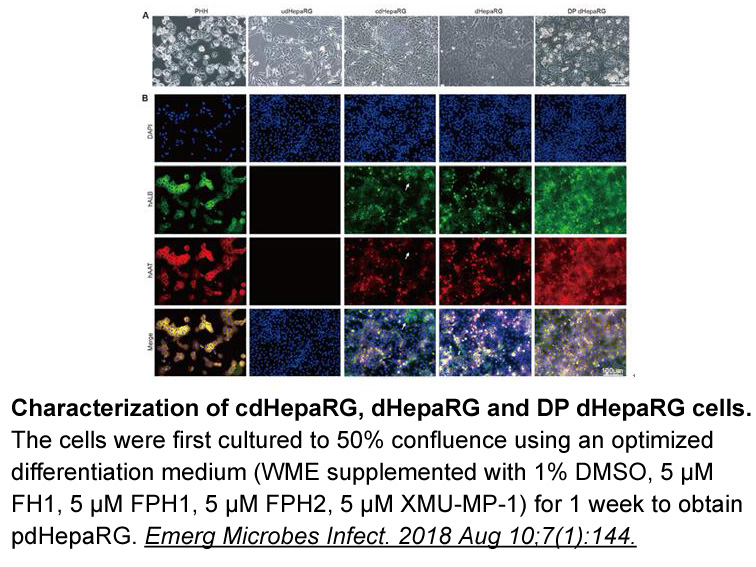
Since the number of peptides hydrolized by PEP is quite large, it is not easy to relate the increase of enzymatic activity with the altered changes of a concrete peptide. However, it is noticeable that imbalances of several natural substrates of PEP [6], such as angiotensins, bradykinin, vasopressin
-
In regards to regional variation in metabolic behavior of ad
2021-03-03
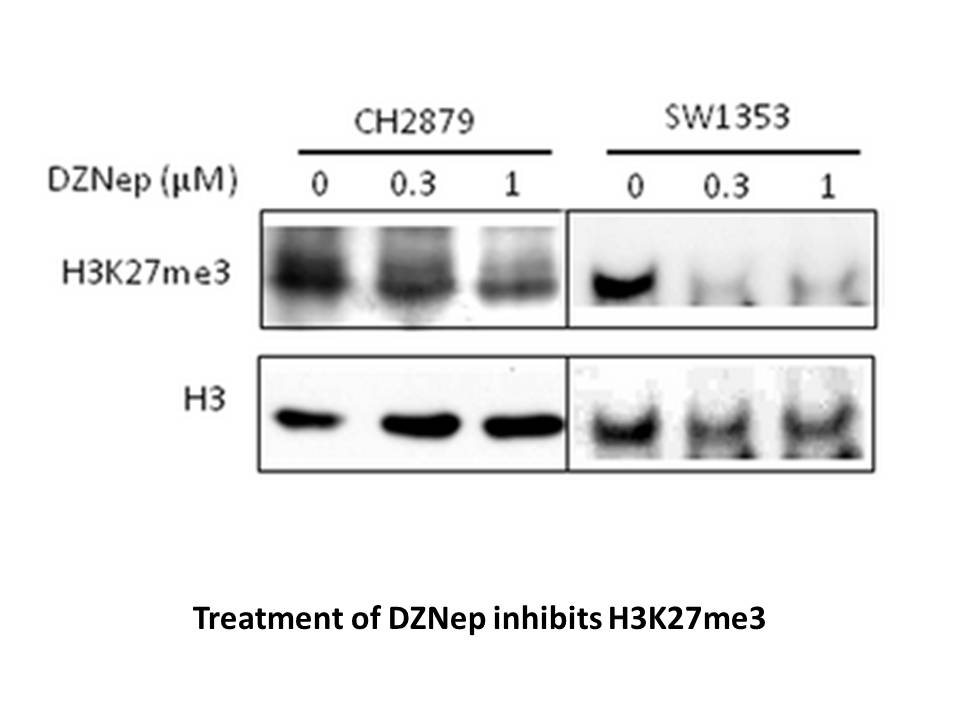
In regards to regional variation in metabolic behavior of adipose tissue, subcutaneous adipose tissue transplantation has been shown to reprogram visceral adipose tissue to have subcutaneous-like phenotypic behavior, whereas visceral-to-subcutaneous transplantation does not promote a more detrimenta
-
Valproic acid VPA is a first
2021-03-03
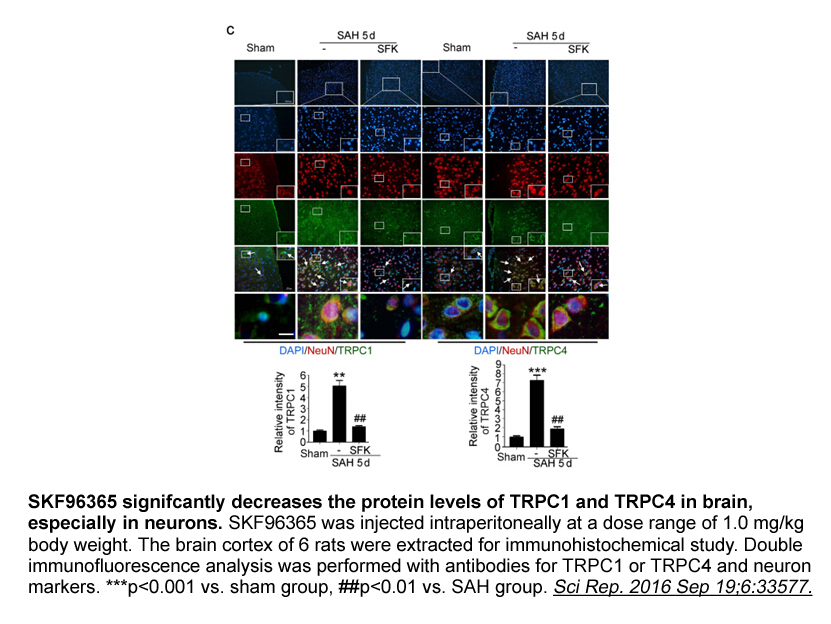
Valproic SCH772984 TFA sale (VPA) is a first-line treatment for epilepsy and bipolar disorder, although its therapeutic mechanism of action is not fully understood. Considerable evidence suggests that VPA can act through the GABAergic system, NMDA receptors, and/or sodium channels (for review, see
-
The aniline R group was extensively explored and a large
2021-03-03
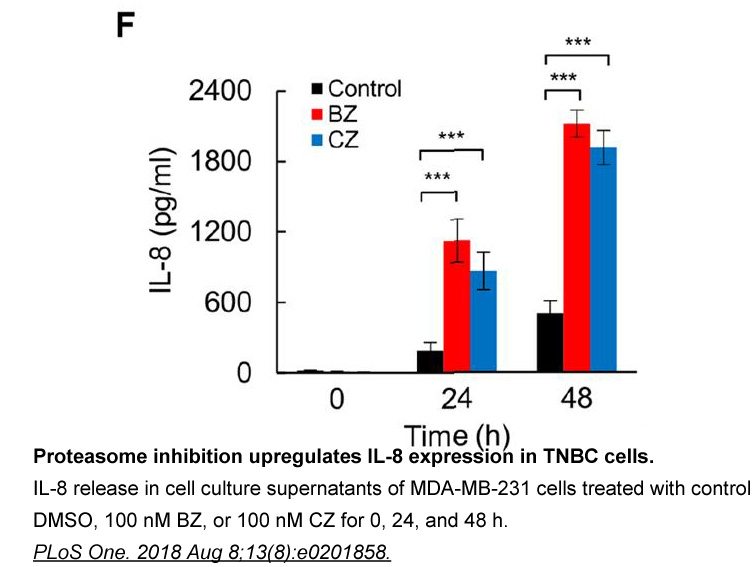
The aniline R2 group was extensively explored and a large variety of substitution was tolerated at several positions on the aryl ring (). Notably, substitution at the 3-position often gave increased potency. Increasing lipophilic bulk at this position gave increasing potency within an ether series (
-
br The role of TNFs
2021-03-03
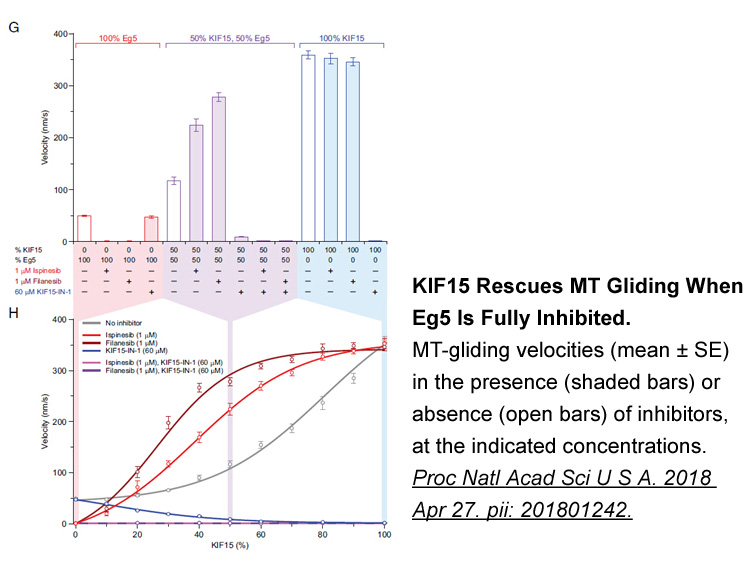
The role of TNFs and AD The TNF superfamily includes 19 members that can bind 29 different receptors [56, 57]; the 19 members are Lta, TNF-α, lymphotoxin-β (LTβ), OX40L, TNF associated activation protein (TRAP, also named CD40L or gp39), factor associated suicide ligand (FasL), CD70, CD153, 4-1BB
-
br Preparation of Recombinant Proteins br Activity
2021-03-03

Preparation of Recombinant Proteins Activity Assays The following solvents are used in the procedures described in this section: Data Analysis Aryl radical rearrangements typically result in a large number of products being generated by Bmp7. Approaches combining mass spectrometry and NMR
-
This work is inspired by the systematic
2021-03-03
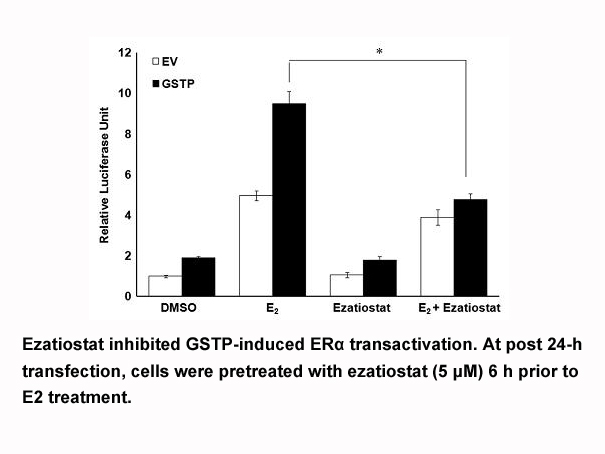
This work is inspired by the systematic work of Coutinho and co-workers, who obtained several very useful experimental data, which will be also used in our work, and applied the CPA equation of state for the modeling of systems relevant to the production of biodiesel [8], [9], [10], [11], [12], [13]
-
LP a levels are lowered by combined oral
2021-03-02
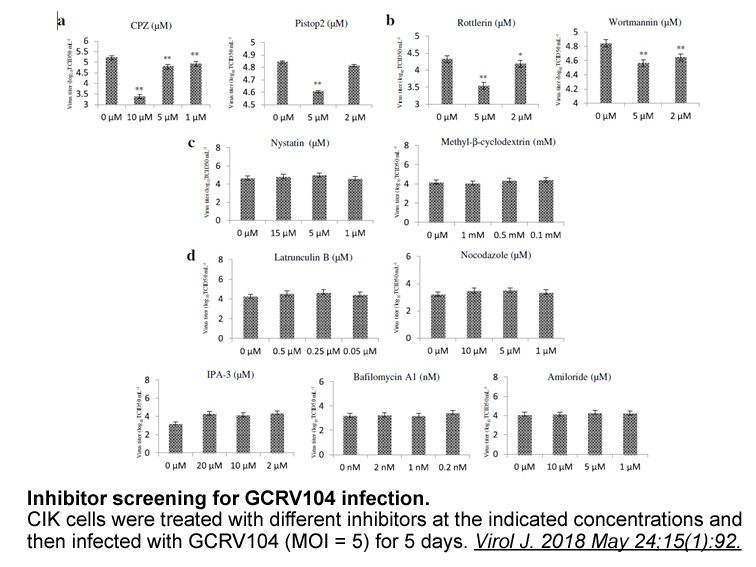
LP(a) levels are lowered by combined oral hormone therapy [80], [81], [82], [83], [84], whereas for most studies using transdermal HRT little or no changes have been observed [85], [86], [87]. Oral versus transdermal administration In general most markers are influenced in a similar way by oral
-
Herein we further established a dynamic DNA self assembly ac
2021-03-02
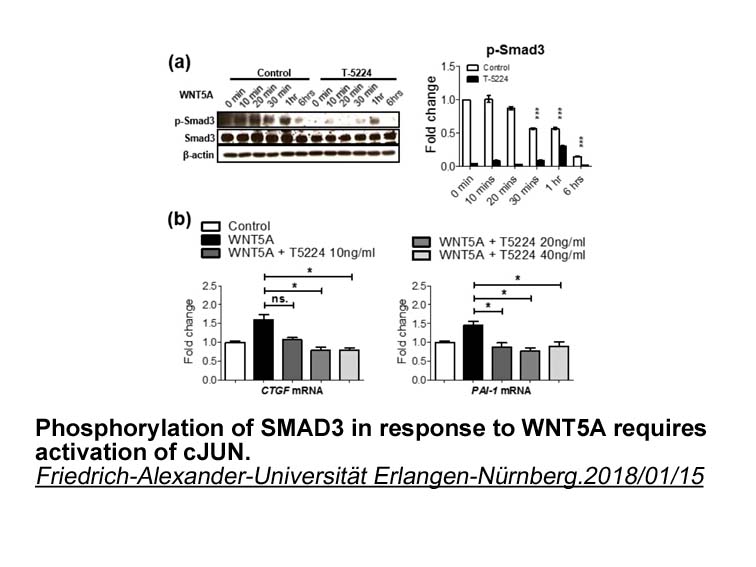
Herein, we further established a dynamic DNA self-assembly activated hemin-mimetic enzymes system by embedding DNA-hemin into an entropy-driven DNA-assembly for fluorescent biosensing. The entropy-driven dynamic DNA-assembly is one of the toehold-mediated isothermal strand displacement reactions, w
-
It was thus found that
2021-03-02
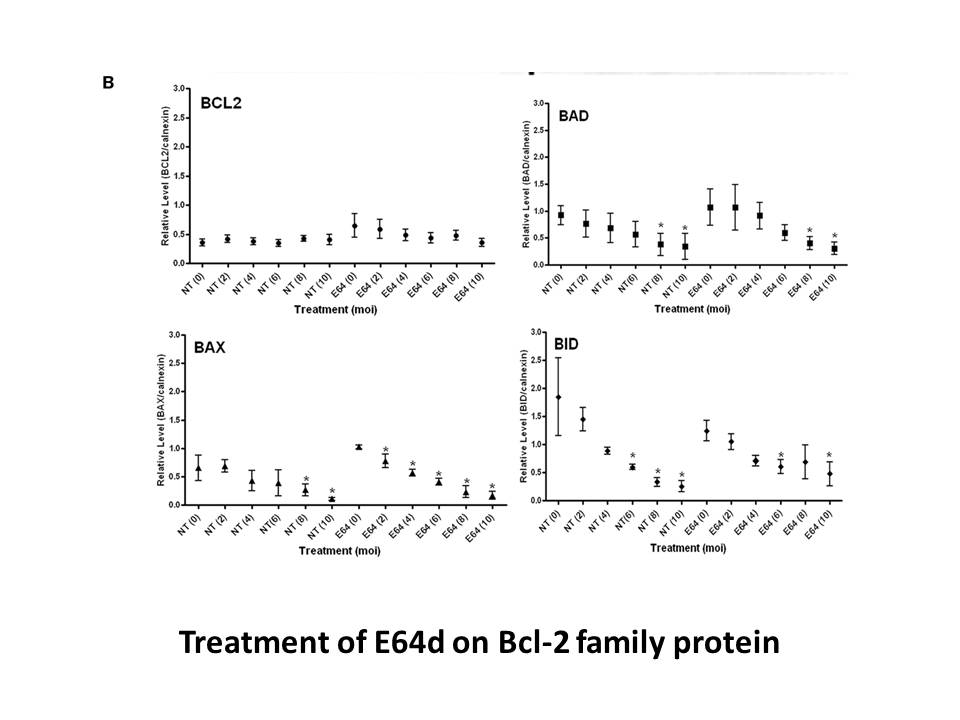
It was thus found that E1 plays an important role in G. intestinalis biology. Inhibiting E1 expression by RNA antisense in trophozoites was lethal while E1 overexpression induced a five-fold increase in cyst formation during encystation. The changes in E1 location during this process and its localiz
-
For this reason we hypothesized that the DHFR gene
2021-03-02
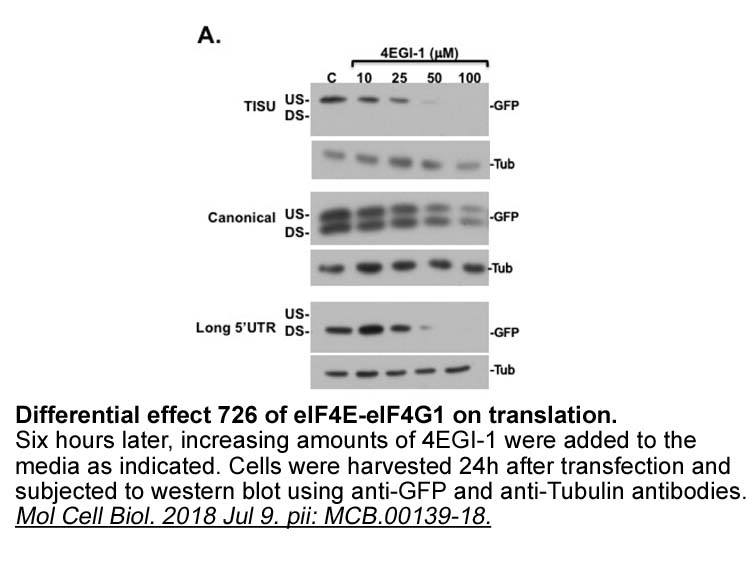
For this reason we hypothesized that the DHFR gene could be a potential candidate in clefting. Our data, obtained using a family-based association approach, evidenced an association with borderline significance for the SNP rs1677693. The variant allele A at this marker seems to reduce the risk of
-
mk-801 synthesis van Linden et al developed a comprehensive
2021-03-02
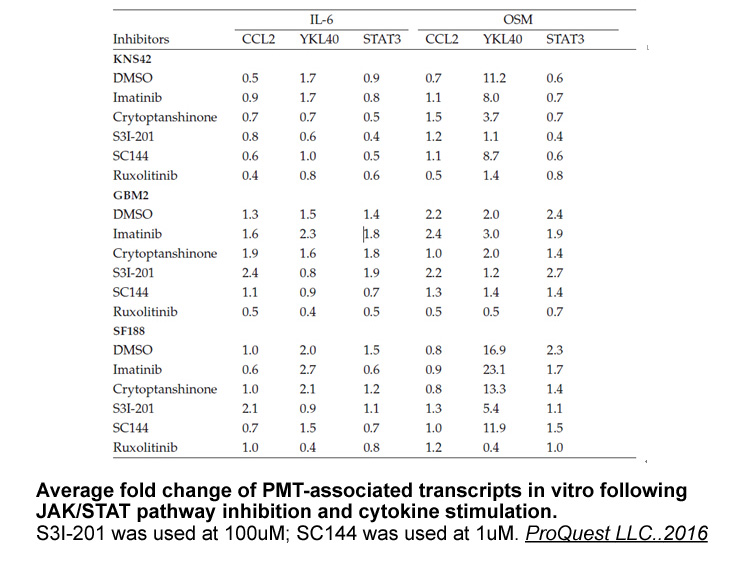
van Linden et al. developed a comprehensive guide that describes drug and ligand binding to more than 1200 human and mouse protein kinase domains [77]. Their KLIFS (kinase–ligand interaction fingerprint and structure) directory includes an alignment of 85 potential ligand binding-site residues occur
-
As the COMT enzyme is primarily related to
2021-03-02
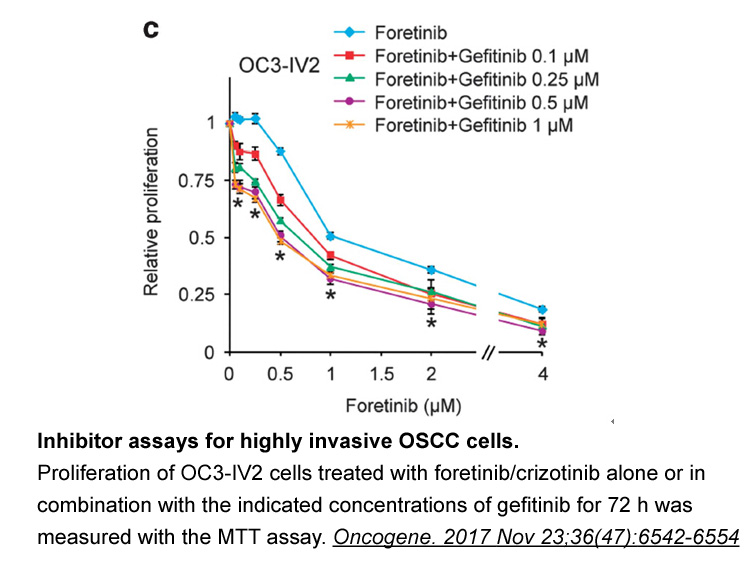
As the COMT enzyme is primarily related to prefrontal dopamine degradation (e.g., Yavich et al., 2007), the present study supports the notion that prefrontal dopamine modulates retention of fear extinction rather than within-session extinction (Abraham et al., 2014). Consistent with other studies we
16339 records 715/1090 page Previous Next First page 上5页 711712713714715 下5页 Last page